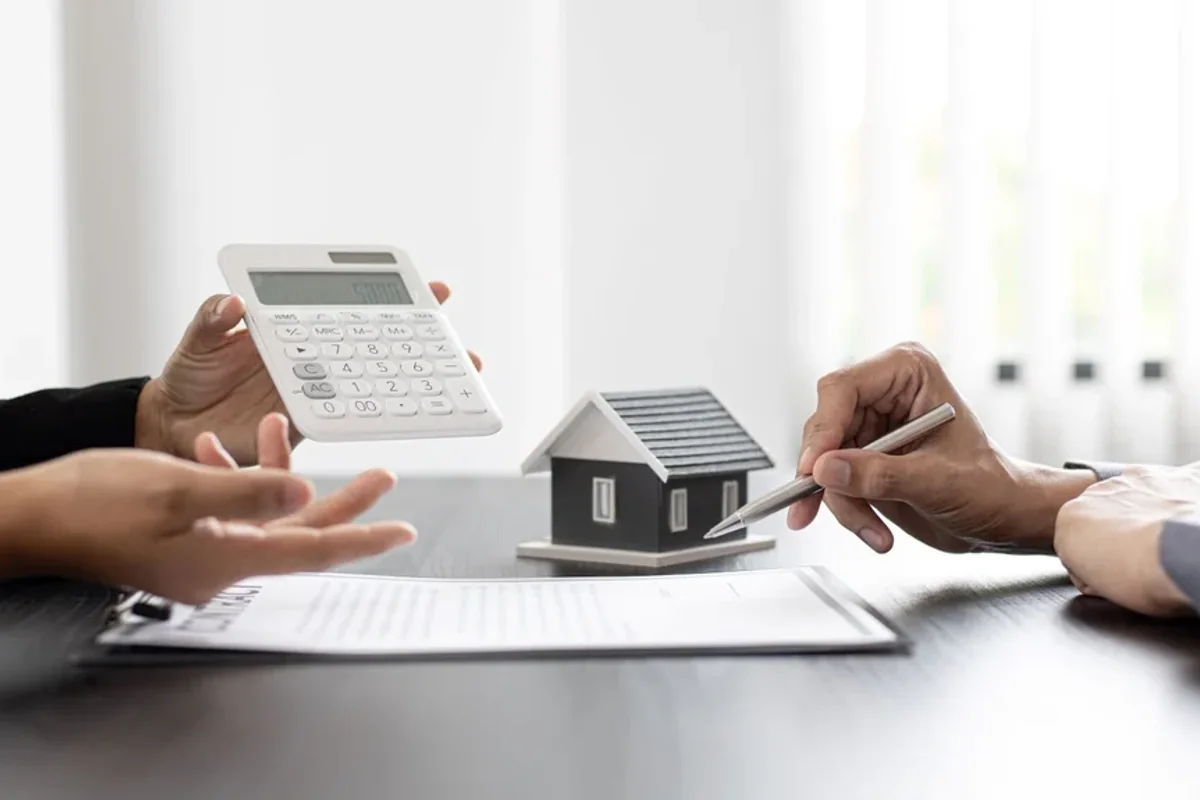
A reservation deposit is a small upfront payment to hold a unit while the paperwork gets prepared. It signals your seriousness and prevents the seller from offering the same unit to someone else. This kind of deposit is common for both off-plan and resale properties. It’s smaller than the contract deposit and usually comes with a booking form. You should receive a receipt and written terms that spell out the refund rules, how long the reservation lasts, and how the deposit will be treated once the full contract is ready. Always confirm whether the money goes into escrow, the developer’s account, or an agent’s control. Knowing the rules early helps you plan cash flow and avoid disputes. This article covers what reservation deposits are, typical amounts and timing, their legal effects, and simple steps to protect your money. Use the checklists provided when you book a unit to stay in control of the process and minimize last-minute surprises.
What is a reservation deposit?
If you intend to reserve the unit, you'll need to pay a deposit for the booking or a holding deposit. This ensures that the desired unit is set aside for you while the Sale & Purchase Agreement is being negotiated. The document accompanying this deposit, when you sign the booking agreement, will include the unit number, price, amount of the booking deposit, and the term of the hold, which can range from several days to several weeks. When you sign the deposit agreement or booking agreement, or any other term agreement, you are making an agreement or promise to the seller or developer that you intend to pursue the Sale & Purchase Agreement. Note that this booking deposit is not the same as the Sale & Purchase Agreement deposit; instead, this deposit can be likened to an advance or down payment to set the unit aside. So when the booking agreement or deposit agreement, or any other form of agreement form is requested to be signed for this purpose, ensure that you sign for an agreement with a written format to avoid future complications or misunderstanding whenever there are issues with the other party or the seller, or the developer.
Typical deposit amounts and payment terms
Deposit amounts vary from market to market and project to project. Usually, these charges are in the form of booking fees, which could be a few hundred dollars in local currency for residential units or appear as percentage charges for more expensive relocations. There could be situations where the booking deposit is in the form of small amounts in local currency that are later adjusted as formal deposit amounts after signing the SPA. There are always stages in which amounts are paid when dealing with developers. These could include booking deposit payment, contract deposit payment, and subsequent stage payments for property undercuts. A simple analysis could be as below:
Deposit type | Typical size | When paid |
Small booking fee | Fixed small amount (e.g., $500–$5,000) | At the reservation to hold the unit |
Percentage deposit | 5%–10% of the price | On the exchange of contracts |
Escrowed deposit | Any amount held in escrow | When the buyer requests escrow protection |
Legal status and refund rules
The booking form must explicitly state whether the deposit will be refunded and on what terms and conditions. In most cases, the refund of the deposit will be allowed when the seller fails to deliver the contract or when the developer withdraws the unit. In booking forms, deposits are non-refundable or refundable after certain adjustments have been made. Always read the booking form to note the period covered by the booking, the timeframe within which the SPA must be signed, and the terms and conditions surrounding failing to sign the contract by the stipulated timeframe. As the buyer, include the financing term by requesting the "finance clause within the SPA to have the right to withdraw without losing the deposit." In case of a dispute, the booking form and receipt constitute the major piece of evidence available to the buyer.
How to protect your deposit
Protecting your deposit isn’t difficult, provided you adhere to a few simple rules. First, ask for the deposit to be placed in a client escrow or trust account. By not commingling it with the funds used for development, it will not be used for something it shouldn’t be spent on. Secondly, obtain a stamped receipt for the booking or an email indicating your deposit amount, refund conditions, and expiration of the booking period. Checklist for securing your deposit:
Ask for an escrow or bank guarantee for significant deposits.
Get a written receipt showing booking reference, unit, and refund conditions.
If a developer refuses escrow, consider a smaller booking fee or wait until you have the SPA and deposit protection in writing.
How developers use deposits and buyer rights (keywords: developer obligations, NOC)
The reservation deposits are a developer's way of gauging demand and holding inventory. When a unit is reserved, it's usually flagged as "on hold" in the sales system, and the contract paperwork begins to take shape. It is against the law for the seller to take that deposit while continuing to sell the same unit to others. What protections a buyer can expect are based on the booking form and local laws. Protections will generally include things like making the booking money become the deposit when the contract is signed, a cooling-off period, or protection via escrow. Also, before paying, ask if you'll need a No Objection Certificate or developer approval of any kind for resale or transfer in the future, and what administrative fees, if any, there might be. Quick list of buyer rights to request:
Written conversion of booking fee into contract deposit on SPA signing.
Clear refund triggers if the developer fails to deliver the SPA within the agreed period.
If your booking terms are weak, negotiate stronger written rights or get legal advice before paying.
Common problems and negotiation tips
Issues arise when the booking deadline has lapsed, the SPA has a delay, and the developer overruns the price. Discuss these points prior to the payment; negotiate for the inclusion of the extension option should the finance approval be slow, and a refund period in case a major change occurs in the SPA. A price hike prior to the signing can be dealt with by ensuring that the agreed price will be included in the reservation at a reduced price in a proportional manner. Furthermore, for larger deposits, a bank guarantee or confirmation of the escrow should be sought. Feeling forced to part with a large booking payment can be averted by negotiating a brief written holding period along with a refundable small booking deposit.
Conclusion
Reservation deposits are usual in buying property, but there are risks if you do not process them correctly. You must always draw up terms in writing when you book and get a receipt for payment that specifies what you paid for, how much you paid, and what happens in case you get a refund. For large amounts of money, escrow accounts are safest, and you must be able to keep your reserved period short unless you have more time needed for financial checks and can therefore extend the period. You must know how your booking fee will be converted into your contract deposit, and if your price will be locked in place during your reserved period. If you are not clear on any term you find unreasonable, you must ask for a simple amendment if you are not comfortable before proceeding with payment.
FAQ
Q1: Is a reservation deposit refundable?
Whether or not a deposit refund is possible depends on the terms of the booking. Some deposits are refundable when the seller does not supply the contract or when the developer cancels. Others are not refundable or are refundable with deductions. Always check the booking form in writing.
Q2: Should I insist on escrow for a booking?
Escrow is advised for larger sums. It keeps the money separate from the developer's accounts and reduces risk. For smaller booking fees, escrow may not be available, but request a receipt and transparent, written refund terms.
Q3: How long does a reservation hold last?
A hold can range from a few days to several weeks. This should be specified on the booking form, but if you need more time, negotiate an extension in writing before the hold runs out.
Q4: Does the booking fee count toward the purchase price?
Typically, yes, after you have signed the SPA, although sometimes it's an extra charge. Your booking form should indicate whether it forms part of the deposit for your contract or remains separate.
Q5: What if the developer delays the SPA?
If it's overrunning, look to your booking conditions for advice. Ask for your money back or for more time. If the deposit wasn't in escrow, see a lawyer and document all receipts and correspondence for evidence.