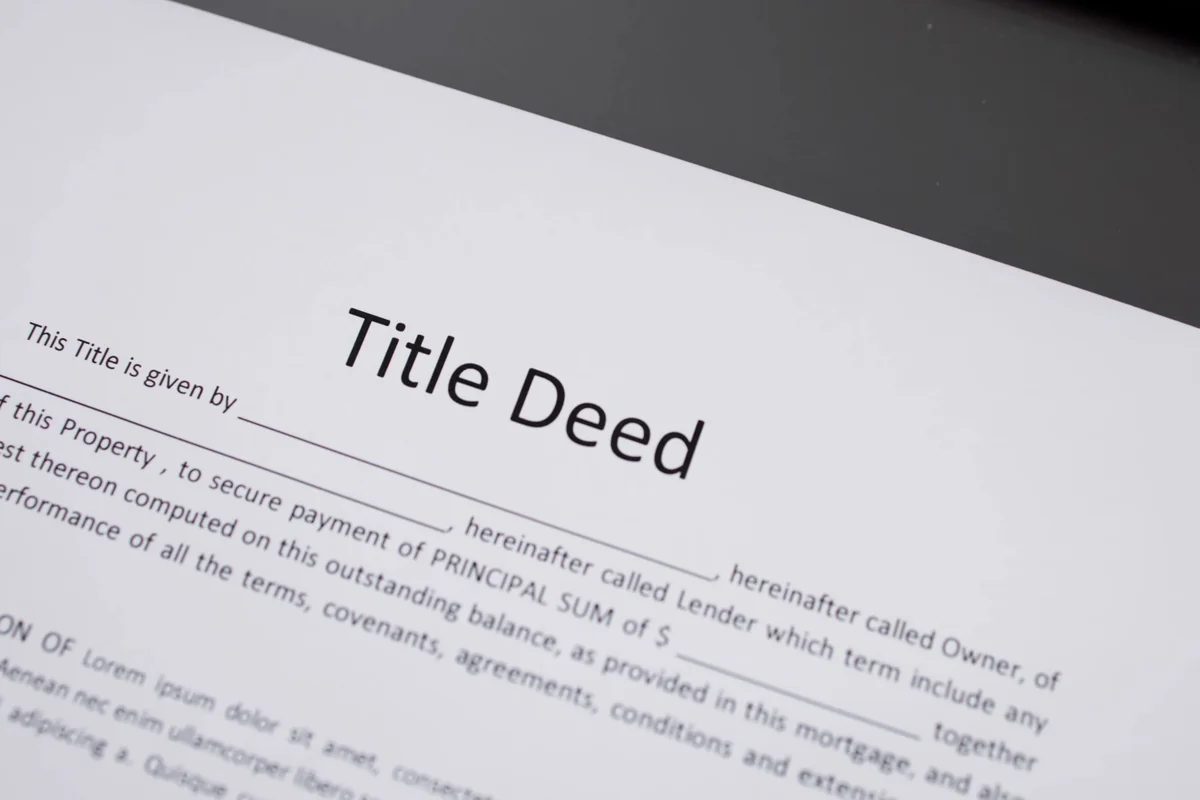
Completion is the point where the buyer actually takes possession of the property and where the deed transferring ownership is signed. When the completion occurs, the final payments are made, the necessary paperwork is signed, and the keys are transferred. The buyer must check that the purchase funds are in place and that all the terms between the buyer and the loan company are satisfied. The seller must also deliver the property as agreed, and the necessary certificates are handed over. The conveyancers and lawyers work in liaison with the land registry office, and the deed is transferred, along with the fees for the transfer of ownership. It is always important that the final completion statement is checked jointly by all parties to confirm that the figures and the costs indicated are correct. This step-by-step guide assists you in the completion stage, signing the deed, checks, and tips for a smooth handover process of ownership. Create the final checklists, such as ID, proof of payments, insurance, and the details for the office and the lawyer you can reach during completion day situations.
Overview of the completion process
Conclusion: The process of completion breaks down into several moments that the parties walk through at closing: First is the buyer's assurance of funds cleared and a final release by the mortgage lender, the assembly by the seller of the title documents, clearance certificates, and any warranties provided under the contract. Then comes the issuance of the final settlement statements by the solicitors, showing all adjustments for taxes, service charges, and utilities; signature of the transfer deed and any power of attorney forms by the parties, either in person or using appropriate electronic signing systems. Next is the recording of the transfer by the registry and the issuance of the title deed in the name of the buyer, followed by the handing over of keys by the seller. The buyer will conduct a final snagging in the unit, using a pre-agreed snag list.
Preparing funds and settlement statement
Preparation of funds and the settlement statement is a key consideration for the buyers prior to completion. The settlement statement states the purchase price, the deposit already paid, the mortgage payout, and the outstanding balance. It also reflects deductions such as service charges, utilities, and taxes, as well as any rebate schemes. The buyers can thus make necessary checks to ensure bank transactions go through on time and that escrow receipts match the statement. Lenders can assist through the payout letter that states the amount to the penny and the terms of payout. Solicitors can also check fund payment terms and may need cleared funds a few days prior to signing. Review each line of the settlement statement and inquire about any unknown charges. It is therefore important to have evidence of all the payments and the transfer of ownership, taxes, and fees at the registry.
Title deed signing and legal formalities
The signing of the title deeds thus represents the moment when the actual transfer of ownership takes place. The following are the steps involved in the process: The signing of the title deeds; The required identity check, signature, and witness details, as follows: The signing of the title deeds requires the following identity check, signature, and witness details: Attorneys draw up the deed, investigate encumbrances, and ensure that all charges have been removed or noted. It is essential that buyers scrutinize the language of the deed, the legal description, or restrictive covenants prior to executing the document. It is essential that vendors verify the discharge of mortgages, possibly procuring a no-objection letter from lenders. After all signings are finalized, the registry will then update your public record, reflecting your new ownership as indicated by your title deed. It is paramount to retain certified copies of your title deed, as you will be required to indicate your corresponding registry reference number for your mortgage company, as well as your house insurance.
Inspections, snagging, and defect lists (snagging, inspection checklist, defect liability)
Inspections and snagging protect the buyer from hidden defects at the time of possession. Before the final payment, the warranted party should do a walkthrough inspection using a simple list of inspection points. Record any discovered defects, uncompleted work, or failures to test and add to the defect list. Make a plan for a fixed timeline and negotiate a retention amount should the repairs take longer, using the following simple snag list inspection guide:
Check doors, windows, and locks for proper fit and operation.
Test plumbing, electrics, heating, and cooling systems for correct function.
Look for paint flaws, tiles, and floor damage and note cosmetic issues.
Fees, taxes, and registry steps (transfer fees, stamp duty, registry)
Fees and taxes, and the process of registration, result in additional expenses and hassles when completing a transaction. The transfer fee, stamp duty, and registration charges in the area need to be researched by the buyer. The lawyer always has an idea about the charges and includes them in the settlement document. See that the registration charges and the papers for transferring the ownership are paid and submitted at the same time when transferring the ownership. This is a no-nonsense list of the charges and the paying party in a deal:
Item | Who usually pays |
Transfer fee/stamp duty | Buyer (often negotiable) |
Registry filing/registration fee | Buyer or seller (varies) |
Mortgage registration fee | Buyer/lender (if applicable) |
Post-completion tasks and document storage (title deed, post-completion, document retention)
Once the deal is closed, roll into the post-completion process and ensure everything is kept under lock and key. Ensure buyers take with them copies of title deeds, receipts of transfer, and any appliance guarantees. In case it is needed, register with the local authorities and sort out changing the utility bills. Inform your insurer of the change of ownership and date the cover from completion. Keep a hard and soft copy under lock and key and share with your mortgage provider and accountant. Here is a quick after-completion checklist that you need to undertake:
Store the original title deed in a safe place and keep certified copies for routine use.
File receipts for transfer fees, VAT, and registry payments with the property folder.
Register for local services and update billing, insurance, and owner details.
Conclusion
The handing-over process and the signing of the title deed are the points at which ownership changes hands. The essential things remain the same: Ensure the funds are cleared, sign the transfer deed, pay the stipulated taxes, and then stamp the land register. Conduct a final walkabout of the property to identify any defects before you release your last payment. Where there is still outstanding work, think about escrow, holdbacks, or a bank guarantee. All receipts and certified copies of legal documents must be retained. Solicitors and lenders are critical for organizing various stages and examining the paperwork.
FAQ
Q1: What do I need to bring in order to finalize everything?
Your original documents will include your original ID, proof of funds, bank transfer documents, signed SPA, mortgage discharge letters, should there be any, and tax/registry documentation where applicable. Your lawyer will let you know what you are required to produce.
Q2: How long does the title registration process take after completion?
The process varies in each country and according to how busy the registry is. It can be done on the same day if done online, but in other cases, it can take several weeks when done manually after tax clearance. Please ask your attorney for the process timeline and when you can request the reference number for the registry.
Q3: What happens with outstanding repairs when everything is completed?
Agree on a snag list and a retention within the SPA to account for minor defects. The defects should be rectified within a stipulated timeframe, failing which the buyer can utilize the holdback for repair work. Documented timelines should be obtained for those repairs that are undertaken before completion/finalization.
Q4: Is the process of completion able to
Many registries and financiers offer the option to complete remotely via power of Attorney, certified documentation, and e-signatures. This needs verification and a confirmed level of authority on the part of your Attorney or Lawyer. Traced money transfers and bank confirmations should verify the presence of the money on the completion date defined by the parties.
Q5: What happens if the entry in the registry is not correct?
Give these to your attorney and the land registry, providing proof of the deed and receipts. Your request to correct the information can be submitted after the documents are signed. Make copies of the communications. If problems persist, lodge complaints or institute a suit. Take timely steps to secure priority and inform your lender, asking that the