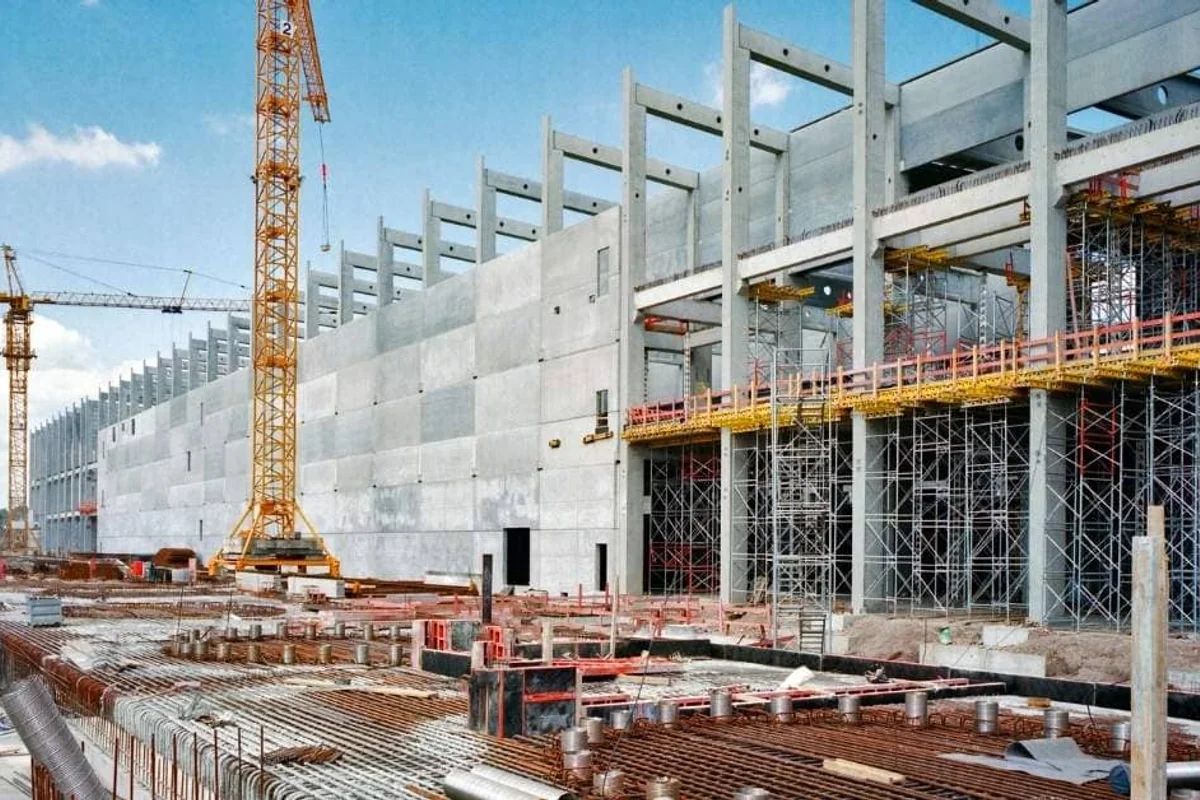
Delays and completion risk in construction work are widespread phenomena in property development. These are common to buyers, investors, and developers. Delays can result from a variety of issues, such as weather, supply chain, labor, design change, and permits. The net result includes what was expected, extra costs, and changed plans. Learning about the causes of construction delays and how to deal with them can eliminate much of the stress and losses. It is safe to say that having this knowledge at your disposal will ensure that you do not fall victim to construction mastery. It is with this background that this article will shed light on the causes of construction delays, completion risk, and how to deal with them. This article will employ an easily readable language and will have a table highlighting construction causes and solutions. Here in this article, we will demonstrate how to spot dangers and change your building experience for the better forever. Enjoy the uncomplicated solutions presented in these pages that can be implemented right away.
Common causes of construction delays (construction delays, project delays)
Delays in construction happen for a lot of reasons. The weather is one. It can stop work for days or even weeks. Sometimes, the people who are supposed to deliver things like windows, tiles, or steel do not show up on time. It can be hard to find workers, which slows down important parts of the job. When the person who is paying for the construction changes their mind about something or wants to add something, it pushes back the schedule. Getting permits and inspections can take longer than we think it will. When one thing gets delayed, it affects everything like a big chain reaction. Construction delays keep happening because of all these things. The construction schedule gets messed up when things like this happen in the construction. Poor project management is also another common cause: poor coordination, unclear schedules, and poor communication between contractors increase the likelihood of risk. Finally, global issues such as increases in material prices or the ban on imports of specific materials bring construction works to a standstill. The warnings are always there: slow progress of milestones, repeated change orders, and missing site records - precursors to big delays.
Completion risks and buyer impact (completion risks, buyer protection)
The project may not be finished on time, it may not be good enough, or it may never be finished. All this is what we call completion risk. If you are a buyer, you will have to wait to move in, you will have to pay more for holding the property, and you will not be sure about the quality of the project. For people who invest in the project completion risk means they will not get the rent they were expecting. They may have problems with the people who lent them money. When the project is delayed, the investors are also affected by increases in interest rates and inflation. Sometimes the people building the project run out of money and cannot finish it. This is called liquidation. Then the buyers have to spend a lot of time trying to get their money or going to court. Beyond any money, extended delays impact plans for relocation, schools, and work. Keep records of when payments fall due and milestone dates.
Legal tools: contracts, liquidated damages, and force majeure (contract clauses, liquidated damages)
When you are buying something, contracts are the way to protect yourself against delays. The contract should say when the work will be finished, what needs to be done along the way, and what happens if the developer is late. This is called liquidated damages. It is a sum of money that the developer agrees to pay if they do not finish on time. Liquidated damages help buyers because they get paid back for the costs they have incurred because of the delay. It also makes the developer want to finish on time. You should also look at the force majeure part of the contract. This is what happens if there is a problem that no one can control, like a natural disaster or something the government does. If the force majeure part is narrow, it is better for the buyers. See whether the contract allows extensions by the developer and what notice is required.
Financial risks: developer insolvency and cost overruns (developer insolvency, cost overruns)
One big problem that can happen is when the developer goes bankrupt. If the developer does not have money, the work on the project will stop, and it may not get done for a long time. Sometimes the cost of the project is more than what was planned because the price of materials goes up, or someone made a mistake, or the project gets bigger than it was supposed to be. All these things make it less likely that the project will be finished on time, so the developer has to find money or wait longer to finish the project. The people who are buying the properties still have to make their payments even if the work is going more slowly, which means they are taking a risk. The banks that are lending the money may also say no to giving money.
Practical steps for buyers and investors (due diligence, inspection, contingency)
To protect your position and reduce your stress, you need to take some steps. First, you should check out the developer's reputation. You can do this by visiting the sites they have already finished and talking to the people who have bought from them before. Then you need to make sure you have a written plan for when you will pay the money. This plan should be based on how the construction is going. Lastly, you should get a lawyer to look over the contract. They should pay special attention to when the construction should be finished, what happens if the developer does not finish on time, what happens if something unexpected comes up, and how you can get your money back if you need to. Fifth, utilize a professional inspector to verify milestone completion before disbursing funds. Finally, keep all correspondence and receipts. Take small steps now—like escrow arrangements or payment in stages—that will save you from huge losses later and afford you greater bargaining room when an issue arises.
Conclusion
Delays and completion risks are facts, and costly ones. The key is to prepare before you sign, and to take swift action upon delays appearing. Apply milestone-defined contracts that include liquidated damages, and implement restrictions on vague force majeure clauses. Verify developer strength, permit verifications, and demand independent progress checks. Keep ready contingency funds and document every payment and achieved milestone. Many disputes can be resolved sooner by early negotiation or legal advice when problems arise, rather than by the litigation route. Buyers who combine due diligence with practical protections minimize the risk of ending up with delayed or incomplete projects. You can manipulate completion risk and safeguard your investment by making the right checks and following a prudent plan.
FAQ
Q1: Which of the following is usually the first indication of a probable construction delay?
Signs include slow or missed milestone updates, repeated change orders, late material deliveries, and a shrinking on-site workforce. Request a progress report with timestamps of recent site activity.
Q2: How does the liquidated damages for late completion work?
Liquidated damages: These are the pre-agreed sum payable in case of failure to meet the contractual handover date. It compensates buyers against direct losses only, including extra rentals. Check the method of calculation and the limits of the cap in the contract.
Q3: Can I stop making payments for any delayed project?
Ceasing payments can amount to a breach of your contract. In its place, try to negotiate a freezing of the payment, escrow arrangements, or fewer instalments against independently verified milestones of completion. Never withhold money without prior advice from your solicitor.
Q4: What protective documents should I request before buying off-plan?
Request the construction schedule, planning approvals, developer financials or lender letters, warranty schemes, and a detailed purchase contract with milestone definitions and liquidated damages.
Q5: How much time should I allot for unforeseen delays?
Also, allow for an additional 6–18 months' budget on top of the planned completion, depending on project size and market risks. Keep timelines conservative to avoid financial pressure in case of delays.
Keep reading
- How to check a developer's track record
- Off-plan SPA clauses, penalties & obligations
- Escrow accounts and deposit protection
- How to buy off-plan property in Dubai
Or explore every current launch, floor plan and payment plan on our Dubai off-plan projects page, or browse by area and developer.