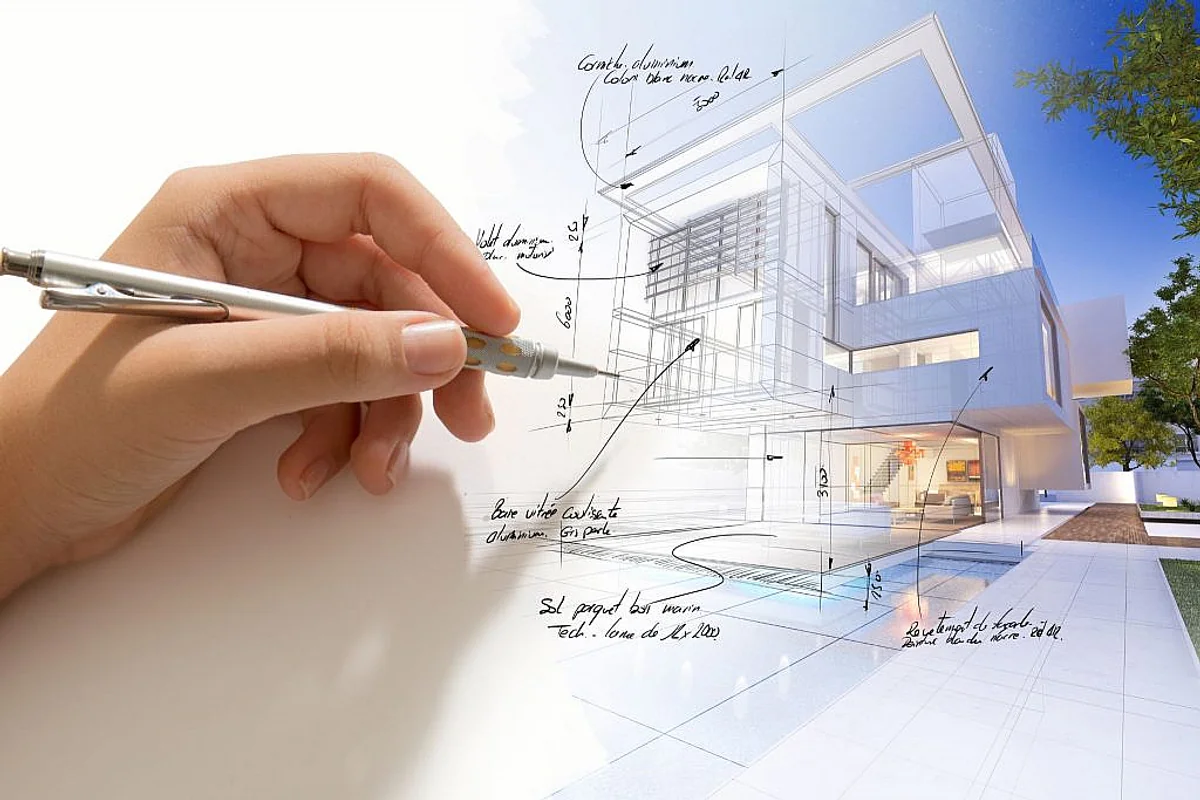
Customization of finishes and layouts lets buyers shape their new home to match their taste and needs. Today, developers offer choices that extend well beyond colour and fixtures: floor type, kitchen style, and bathroom fitting, and even changes to room layouts, are up for grabs. These are the things that matter when it comes to comfort, daily use, and long-term value. The availability of custom options makes buyers invest in the home even before they move in. They allow investors to target specific groups of tenants or buyers by choosing finishes that appeal to demand. This article outlines some of the most popular customization choices available, their benefits, costs, and how to decide. It includes clear examples, simple language, and practical tips that you can use to make smart choices when offered customization packages.
Types of custom finishes and what they mean
Custom finishing entails the visible elements inside a house. Examples include flooring, such as wood, tile, and carpets; kitchen cabinets; countertops; bathroom fixtures; handles; and lighting. Some constructors allow customers to upgrade their finishing with high-quality materials such as engineered stone and wood. Other custom finishing options include built-in closets, smart technology, and soundproofing. Each custom finish influences the looks, durability, and maintainability of a house. An important thing to check while selecting custom finishing options is whether they come with a warranty and how maintainable they are. Also, check whether the custom finishing options are largely accepted in the region; for instance, some custom finishing options, such as metallic materials, might not be preferred by everyone.
Layout customization and flexible floor plans
“Layout customization” refers to changes in the usage of space within a unit. This could involve removing or adding partition walls, expanding kitchens, or turning storage space into living space. Functional floor plans mean that the purchaser can decide whether they wish to purchase an open-space or compartmentalized unit. In some projects, developers include “modular walls, moveable partitions, or the option to enclose the balcony.” Such options impact natural light, ventilation, as well as how one experiences the space on a daily basis. In this regard, it is important to consider “who will be occupying the space—a family requiring differently proportioned rooms than, say, a solo occupation requiring different space than that of a working individual.” More functional layouts also involve thinking in terms of spatial convertibility; e.g., from home office to nursery, “guest room conversion to home office or home office conversion to home office space.” Functional layout modifications also do not damage “building structure or code compliance.”
Buyer personalization options and upgrade packages
Many developers roll customizations into well-defined upgrade packages. Such upgrades are typically packaged into:
· Standard finish: basic tiles and entry-level kitchen and bath fixtures.
· Premium finish: higher-quality countertops, designer cabinetry, upgraded flooring.
· Smart home package: smart lighting, smart heating, smart security.
Packages make the choices easy and are usually more cost-effective than choosing individual products. They also make timelines easier for the ongoing project. When selecting the upgrade package for your home, assess what is in the pack and whether individual products can be swapped further. These upgrades can come as a turn-key fit-out or in the form of upgrade credits, which you can then apply within a timeframe. There may be discounts for early bird purchases for these packs or the opportunity to pay for the entire construction phase. The list of brand names and model numbers is important to get in writing.
How custom choices affect resale value and rental demand
Customization can help with resale value and rentals if done sensibly. Neutral and quality finishing usually attracts more people. Functional design with extra functionality, such as more space, usually increases the perceived value. However, over-customization, such as the use of highly vibrant colors, could limit the people interested in purchasing the property. It is, therefore, important for property investors to remain unique while appealing to many. It is important to note that while some finishing options may create more value than their costs, others may create only marketing value. When it comes to attracting more tenants, low-maintenance finishing options work better. When it comes to sale, high-quality kitchens and bathrooms will always yield a high return. It is, therefore, important to check the sales around for what people favor.
Costs, timelines, and practical risks of customization
Customization will most often involve additional costs and may affect the turnaround schedule regarding handing over the work. Upgrading may involve new costs and, most probably, extended lead times for materials. A delay within supply chains may usher in late deliveries of finished goods and finished making. Another factor may arise if the selected finish options could slightly vary from demonstration samples once applied. To mitigate risks:
· Lead times and supply guarantees.
· Request written specs and samples.
· Know refund or exchange policies in situations of delay.
· Budget for a contingency of 5-10% above the price for the upgrade.
Then there is the issue of the quality of the fit-out work. If the developer is the one who does the fit-out, the developer should provide you with the inspection points and the snagging list before the final payment is made. Alternatively, you can do the work yourself through a contractor of your choice, and the work should comply with the relevant building standards.
How to decide which finishes and layouts to pick
Make decisions based on your objectives. If you will be occupying the unit, make selections based on your lifestyle and preferences. If you will be renting it out or reselling, select options that are neutral, durable, and appeal to the masses. Take these steps:
1. Conduct local market preference research and comparable properties.
2. Have a budget for improvement and see that one keeps to it.
3. Visit show units and inspect samples in person.
4. Ask about any warranties available, needs for maintenance, and the costs of replacement.
5. Select finishes that achieve a balance between aesthetic and practical appeal.
Smaller, focused upgrades often yield better value than highly personal, high-dollar choices. Consider maintenance and long-term cost, but also how a future buyer or tenant will view the space.
Conclusion
Personalization of finishes and layouts provides the buyer with an opportunity to imprint their characteristics on their home and allows the investor to position a product to target demand. When selected appropriately, upgrades will enhance living comfort, reduce maintenance issues, and can also make a property more rentable and saleable. On the other hand, customization requires additional costs and time, and some risk. The best strategy is to research local taste, select neutral and durable options, and confirm exact specifications in writing. Work with trusted developers or contractors, budget for contingencies, and plan choices around how you will use the property. With careful decisions, customization becomes an advantage rather than a headache, and it can add both personal satisfaction and market value.
FAQ
Q1: Will custom finishes increase resale value?
While the answer is yes, neutral upgrades like engineered stone tops or hardwood floors do add resale value. Highly personal upgrades, on the other hand, likely won't, so designs aimed toward a broad segment of homebuyers would help.
Q2: Can I change the layout of an off-plan unit?
Sometimes. Developers may allow non-structural changes or modular options. Structural changes are generally disallowed. Always check contracts regarding this issue. Approval from the developer and the local authorities must be obtained.
Q3: How much do I spend on upgrades?
Budget is variable, depending on market rates and decisions. As a general guide, budget to save for an upgrade budget and then build in a contingency budget of 5-10%. For selecting packages vs. full option lists, the price to getting the best value.
Q4: Who installs the custom finishes?
Usually, this is done as part of an overall "package" in the developer’s specification. If you have an independent subcontractor, make sure that the work does not invalidate any warranties or contravene building regulations.
Q5: What are some ways to prevent delayed customizations?
Order ahead of time, verify lead times, and only use approved suppliers. Specify finishes that can be stocked or are part of standard lines. Request written schedules and penalties for late delivery whenever possible.
Keep reading
- How to choose the best off-plan floor plan
- Benefits of buying a brand-new home
- How to buy off-plan property in Dubai
- Browse live off-plan projects
Or explore every current launch, floor plan and payment plan on our Dubai off-plan projects page, or browse by area and developer.