If Emaar is known for scale and DAMAC for branding, Sobha is known for one thing above all: build quality. Sobha Realty's backward-integrated model — controlling design, materials and construction in-house instead of outsourcing to contractors — produces some of the most meticulously finished homes in Dubai. For buyers who care how a property is actually built rather than how it was rendered, Sobha occupies a specific and defensible niche.
This guide covers Sobha's off-plan property in Dubai: what backward integration does and does not protect you from, the flagship Sobha Hartland community, how finish quality converts into rent and resale, how the payment plans work, and the cases where paying the Sobha premium is the wrong decision. You can browse off plan Dubai projects across developers, or go straight to the Sobha developer page.
What backward integration actually means
Most developers are, functionally, project managers. They buy land, commission a design, tender the construction to a main contractor, and manage the contract. Quality is then a function of who won the tender and how tightly the contract is enforced. Sobha's defining feature is that it does not do this. It controls architecture, engineering, materials and construction in-house.
Why the model changes outcomes
The mechanism is about incentives, not effort. A third-party contractor's margin improves when it substitutes a cheaper material or finishes faster than specified. The developer's reputation absorbs the consequence years later, and by then the contractor has moved on. When the builder and the brand are the same entity, that incentive gap closes. Every corner cut lands on the balance sheet of the party who has to sell the next tower. That is why the detailing in Sobha's homes is visible in a way that survives a snagging inspection.
What it protects you from, and what it does not
In-house construction reduces dependence on third-party contractors, which removes a common source of both quality failure and delay — reassuring for an off-plan buyer, since contractor disputes are a frequent cause of stalled projects. What it does not do is exempt Sobha from the market. It does not guarantee a handover date, it does not make the community immune to oversupply, and it does not mean a Sobha unit appreciates regardless of what you paid. Integration is a quality control mechanism, not a return guarantee. Read the honest off-plan risk picture before treating any developer name as a substitute for diligence.
The practical benefits, stated without inflation: superior finish quality that supports premium rents and resale, better delivery reliability from not depending on outside contractors, and consistency across projects, so the brand carries a dependable quality signal rather than a variable one.
Sobha Hartland, the flagship
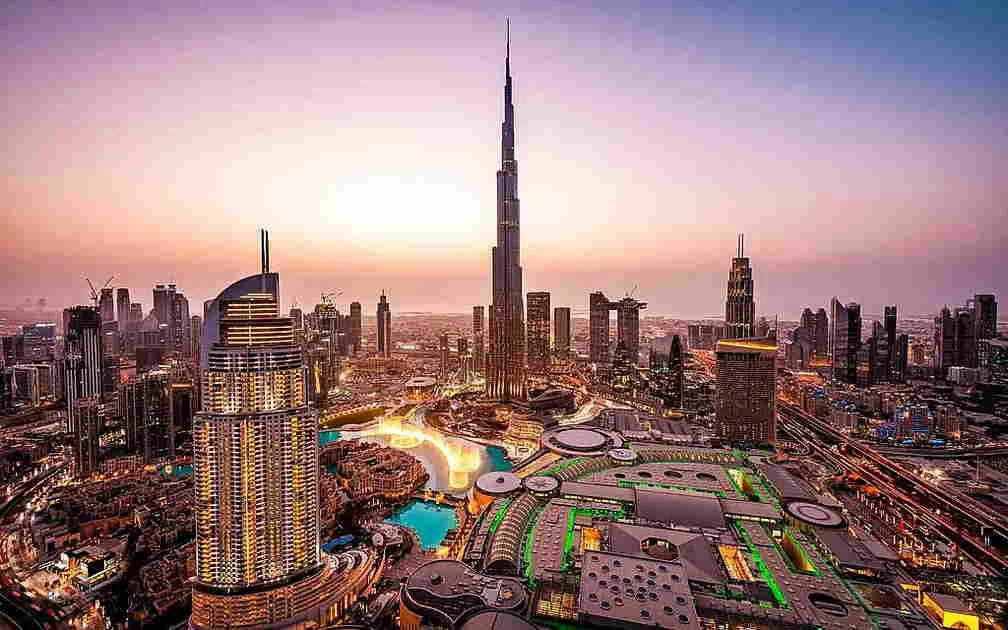
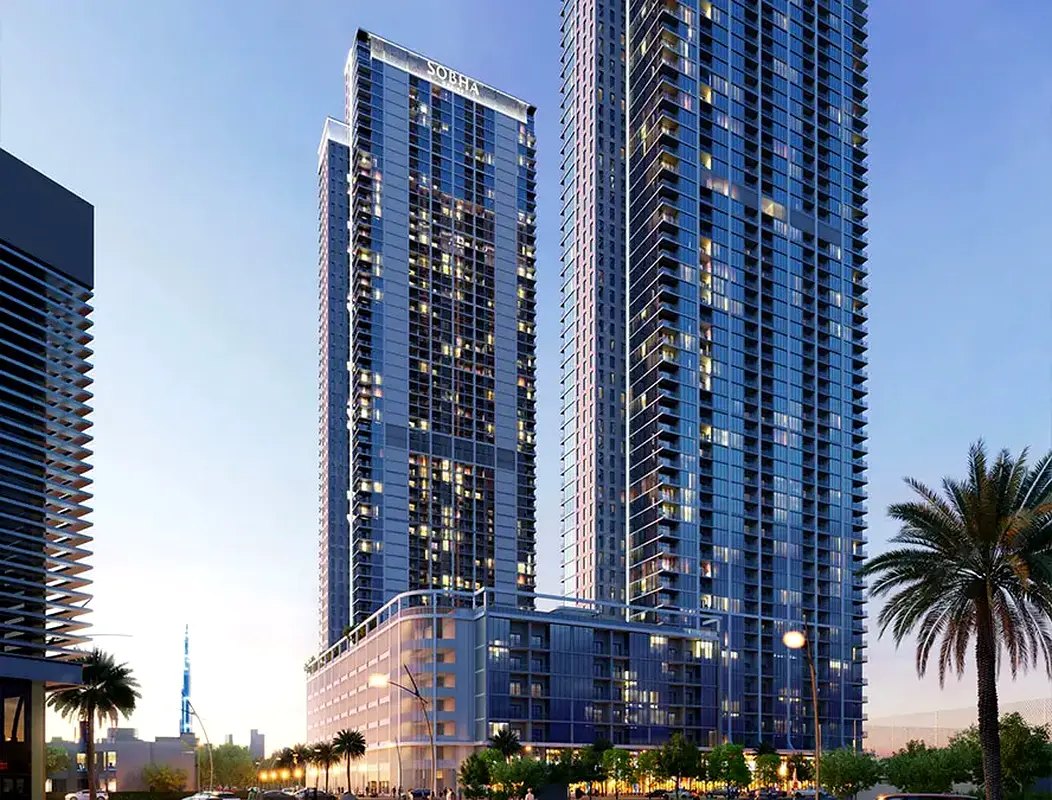
Sobha Hartland sits in the Mohammed Bin Rashid City district and is the developer's signature master community: green, waterfront-influenced, mixing premium apartments and villas, and genuinely close to Downtown rather than "minutes away" in the brochure sense. Its successor phases, including Hartland II, continue the same theme of heavy landscaping and high-specification homes.
Why Hartland attracts a different buyer
Hartland draws affluent end-users and families who want quality and a central-yet-green setting. That matters for a reason most investors underrate: end-user demand is stickier than investor demand. End-users are less price-sensitive, they stay longer, and they do not all try to exit at once when sentiment turns. A community with a real end-user base has a floor underneath it that a pure investor community does not.
The MBR City context
Hartland's fortunes are tied to the wider MBR City build-out, which includes District One, Meydan and planned retail anchors. That gives it genuine upside as the district completes and genuine timing risk while it does. If you are buying Hartland, you are buying two things: a Sobha-built home, and a bet on the district around it landing. Both should be underwritten. The area case is covered in our best areas guide.
What build quality does to your return
Build quality is not an aesthetic preference. It has arithmetic consequences, and they run in four directions:
- Higher rent. Tenants notice finishes at the viewing and pay for them at signing. The premium is small per month and large over a hold.
- Better value retention. A well-built unit ages more slowly than a poorly built one in the same community, which is where resale gaps open up around year five to ten.
- Lower maintenance. Fewer failures means less spend and fewer tenant complaints, both of which land directly on your net yield.
- Faster sale. Quality is visible in a viewing in a way a floor plan is not. It widens the buyer pool and shortens the exit.
For an investor on a medium-to-long view, paying a premium for a Sobha build can be repaid through stronger and more durable returns, particularly combined with the fact that rental income in Dubai is not taxed. For a short-hold flipper, that logic is much weaker — build quality pays out over years, and a two-year hold does not collect most of it. Run the numbers with our ROI method rather than assuming the premium pays for itself.
The end-user advantage, explained properly
The most valuable thing about Sobha's quality is not the marble. It is who the marble attracts. Premium, well-finished homes draw discerning, longer-staying tenants and end-user buyers who will pay for quality — exactly the occupants who reduce void periods and protect income. In a market where most investors are competing for the same price-sensitive tenants with near-identical units, owning a visibly better product is a genuine differentiator rather than a slogan.
On exit the same dynamic applies with more force. Investors buy a spreadsheet; end-users buy a home. End-users care about finish and will pay for it, which widens your buyer pool beyond people running yield comparisons. That is the quiet engine of Sobha's value-retention story, and it compounds over a long hold. It is also why the premium is hardest to justify on the shortest holds — you are paying for a benefit that only shows up when you sell to someone who cares.
Payment plans on Sobha projects
Sobha typically offers structured payment plans reflecting its premium positioning, with the split varying by project and some launches including post-handover components. Premium developers with strong demand generally compete less on terms than mass-market developers do, which is itself information: generous terms often signal a developer who needs the sale.
Match the plan to your cash flow rather than to the discount, and remember your upfront cash is a fraction of the headline price. The full range of structures is in our payment plans hub, and if you want the asset to help fund itself, read the post-handover mechanics before assuming rent will cover the instalments.
How to buy a Sobha off-plan property
The process follows the standard protected path. You reserve the unit, pay the down payment plus the one-off 4% DLD fee, sign the SPA, then pay instalments through construction into a RERA-regulated escrow account released against verified progress. Foreigners can buy Sobha freehold without residency and can complete remotely.
Two steps buyers skip and should not. First, understand what escrow does — it stops a developer drawing funds for work not done, which is a specific protection and not a general one. It does not insure you against delay, against a market fall, or against a specification you dislike. Second, take snagging seriously even on a Sobha. A developer with an excellent reputation still hands over units with defects, and the inspection window is when you have leverage. Our snagging and handover guide covers what to check and when.
How Sobha compares
Among Dubai's premium developers the positions are reasonably clear. Emaar wins on scale, master-community lifestyle and delivery certainty, and it controls the phasing of the districts it builds. DAMAC leads on branded design and flexible payment terms. Sobha's edge is the meticulous in-house build quality that comes from controlling the entire construction process.
If your priority is owning the best-built product in a well-located community and holding it, Sobha is hard to beat. You will pay a premium against a mass-market developer, and over a medium-to-long hold that premium is typically repaid through stronger rents, lower maintenance and better resale. Over a short hold, it usually is not. That is the whole decision, and it is a decision about your holding period as much as about the developer.
Who should buy Sobha, and who should not
It suits quality-focused investors who want the best-built product for durable returns; end-users and families drawn to Hartland's green, central, high-specification setting; long-term holders prioritising value retention over cheap entry; and Golden Visa buyers, since many Sobha units sit above the AED 2M threshold — the Golden Visa through property guide covers how off-plan purchases qualify.
It does not suit investors chasing the highest percentage yield in the city, who will do better in a value community, or short-hold flippers who will pay for quality they never collect on. It also does not suit anyone buying at the absolute top of their budget: a premium product with no margin for a delayed handover or a service-charge increase is a stressful asset regardless of how well it is built. The broader comparison against ready stock is in our off plan versus ready guide.
Frequently Asked Questions
Is Sobha a good developer? Sobha is widely regarded as one of the strongest builders in Dubai because of its backward-integrated model: it controls architecture, engineering, materials and construction in-house rather than tendering to a main contractor. That closes the incentive gap where a contractor profits from cutting corners the developer's reputation pays for later, and it shows in the finish and in delivery reliability.
What is Sobha Hartland? Sobha Hartland is the developer's flagship master community in the Mohammed Bin Rashid City district — a green, waterfront-influenced development of premium apartments and villas close to Downtown, with successor phases including Hartland II. It attracts affluent end-users and families, which gives the community a stickier demand base than a purely investor-driven one.
Is Sobha worth the premium over a cheaper developer? It depends entirely on your holding period. Build quality pays out through higher rents, lower maintenance, better value retention and a faster sale — all of which accumulate over years. On a medium-to-long hold the premium is typically repaid. On a two-year flip you pay for a benefit you never collect, and a value community will produce a better percentage return.
Can foreigners buy Sobha off-plan property? Yes. Sobha's Dubai communities are freehold and open to foreign ownership with no residency requirement, and the purchase can be completed remotely. You pay the one-off 4% DLD fee, sign the SPA, and your instalments go into a RERA-regulated escrow account released against verified construction progress.
Do I still need a snagging inspection on a Sobha handover? Yes. A strong build reputation reduces the number of defects; it does not eliminate them, and no developer hands over a perfect unit. The inspection window after handover notification is when you have the most leverage to have items fixed at the developer's cost, so use it properly rather than relying on the brand.