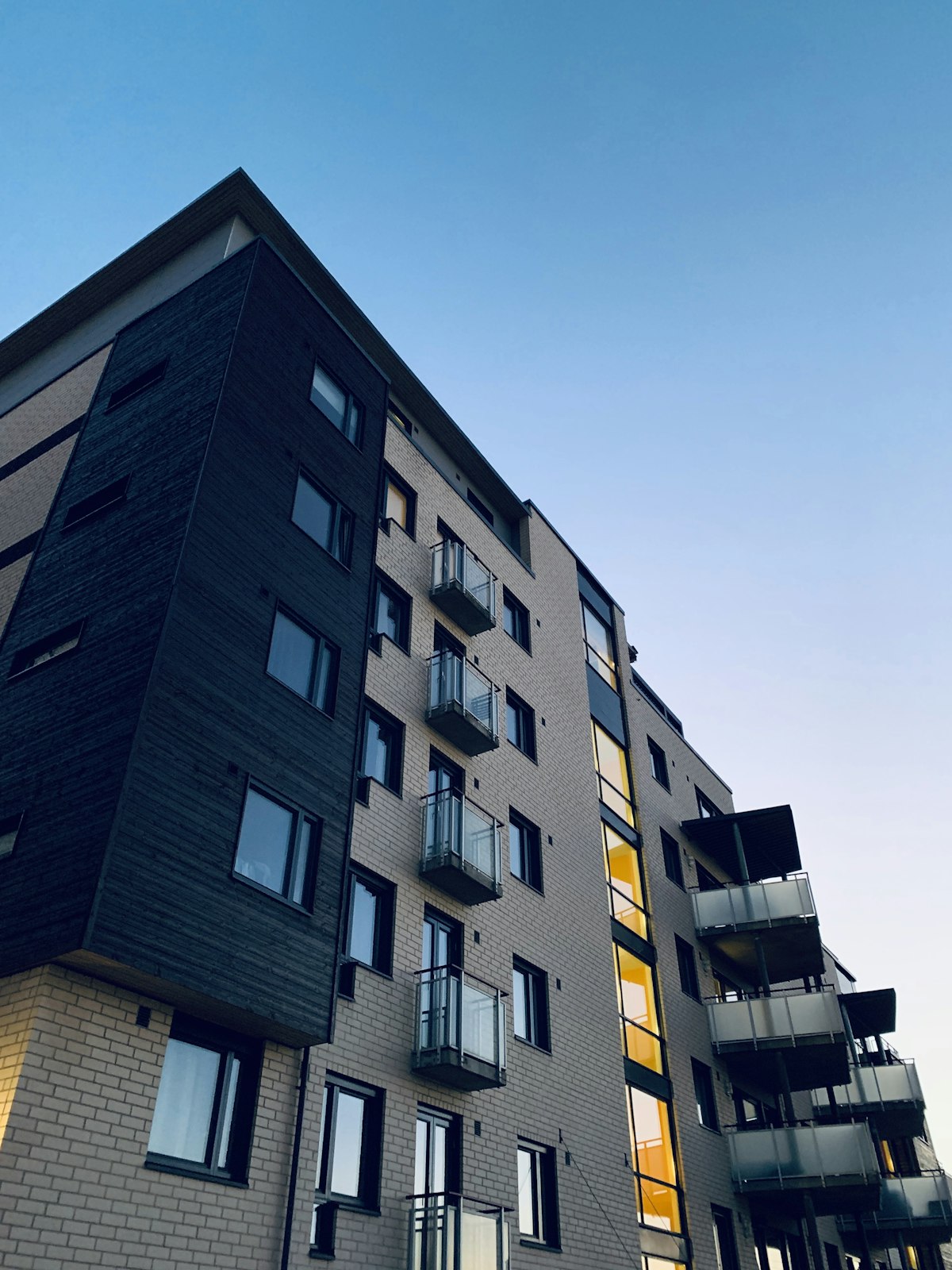
New properties are attractive to many tenants as soon as they are opened for business. New properties are attractive to tenants who are interested in new fittings, new systems, and reduced maintenance costs. Young families and professionals are usually attracted to new properties because of their advantages. The investor derives benefit through reduced vacant possession time and the ability to charge a premium for rent. This essay provides information on the viability of new property, how to calculate the yield, and what to seek in an investment.
Strong rental demand for new units
The demand for rental housing in new buildings is fueled by modern living standards and preferences. New buildings provide renters with modern appliances, heating and air conditioning systems, and a design suitable for living. All these make rental accommodation attractive to young professionals and small families. Tenants are also likely to prioritize a rental accommodation that requires less immediate renovation work. Property managers claim that new buildings are leased faster compared to older buildings. New buildings require less labor from landlords and are less likely to result in lost income due to damaged property. New developments also include amenities such as gyms, swimming pools, and secured parking spaces. Such amenities increase the potential for potential renters to apply for rental accommodation in new buildings if supply is low, and high-quality rental accommodation may demand a higher rental rate due to limited supply.
Rental yields for new units and how to measure them
Yields for new properties are impacted by rent premiums and purchase prices. The new properties may demand a rent premium due to additional services and lower operating expenses. However, they may also demand a higher purchase price than older properties. The key consideration would be the net yield. The gross yield formula involves dividing the annual rent by the purchase price. The formula for the net yield involves subtracting taxes, insurance, management fees, and both maintenance and vacancies before division by purchase price. The investor would need to develop both of these and model them for different levels of vacancies and maintenance. Another consideration would be the cash yield for properties utilizing debt. Yields can be compared for different types of properties within a specific geographic region. A rent premium can still produce a strong yield, provided the expenses remain low.
Vacancy rates and the benefit of new stock
A tendency exists for the vacancy rate for new housing to be lower than that of existing housing. New housing tends to draw interest soon, causing a shorter number of months of vacancy, and this helps enhance returns. A sample example follows with a comparative outline between new and existing housing
These example numbers illustrate trends rather than specific local data. For specific accuracy, investors should check the local statistics. In addition to vacancy, there are turnover and refurbishment costs. Newer units generally require less renovation between tenants, which reduces turnover expenses. This benefit adds to net rental yields and also creates long-term stability in income. Good leasing and responsive management further protect against vacancy and cash flow loss.
Tenant demand drivers for new units
The demand for the apartment spaces would depend upon their accessibility, pricing, and lifestyle-related aspects. Apartments that are close to public transport and a vibrant lifestyle are preferred by professionals and commuters. Easy accessibility to schools and workplaces, along with the latest amenities like high-speed internet and secure entry, is also a hit with customers. These are the critical points to focus upon when considering the needs of potential tenants:
· City and transportation accessibility
· Safety, schools, and community services
· Contemporary facilities and effective infrastructure
"Landlords who have properties that meet the needs of the area will have more stable tenancy and stable rent appreciation. Analyze what comparable properties are renting for in the area and customize finishes and amenities to suit the desired tenant. Details such as premium appliances or just a quality building manager can make all the difference. Cater to what matters most to the tenant in the area to bring down the turnover time and maintain yields."
How to calculate rental yield and returns
Methodology for yield calculation becomes important for decision-making. Begin with gross yield, which goes like: rental income per year, divided by the purchase price. Next, calculate the net yield by subtracting the operating costs for the year, which include: property management fees, property insurance, property taxes, where applicable, and electricity costs, where applicable, and finally, maintenance expenses. In the case of leveraged property acquisition, calculate the cash-on-cash return. This enables the comparison of actual cash utilized vis-à-vis the cash flow on an annual basis. Next, calculate the total return on the property, including growth in value, as well as earnings from rental income. This depends on the rent escalation, vacancy rate, as well as the maintenance costs. These scenarios assist in understanding the different possibilities that can arise.
Investment strategies to secure strong rental yields
Investment strategies that work towards ensuring strong rental yields have to be oriented towards growth areas and professional management. One may look for neighbourhoods showing increases in job numbers, new transport links, or public investment. It will be complementary to target the types of units that match the local demand, such as studios for students or larger apartments for families. Utilize financial assumptions that are conservative and include reserves for repairs and interest changes. You can consider hiring a proficient property manager who can place tenants quickly, reducing costs from turnover. Often, minor improvements and targeted marketing boost occupancy and allow reasonable rent increases. Diversification across unit type or area reduces exposure to risk. Performance reviews occur on a periodic basis, which also enables the adjustment of the strategy to changing local conditions, thereby sustaining healthy rental yields.
Conclusion
New units can bring about strong rental demand and solid yields if selected correctly. The modern features, lower maintenance, and enticing amenities shorten vacancy and support higher rents. Investors who conduct research based on local demand, calculate the net yield, and project for turnover costs may do better with new units. A conservative assumption, good management, and an exit plan reduce risk. New units fit well when a stable rental income and their potential capital growth are considered. With proper research and professional help, they can form a valuable and reliable part of a well-balanced property portfolio.
FAQ
Q: What drives strong rental demand for new units?
A: Often, strong demand is driven by tenant preference for modern fittings, safety, and energy efficiency, along with the convenience of these new units. The new units attract professionals, families, and corporate tenants. Location and amenities also have a big role in the demand and speed of leasing.
Q: Do new units give better rental yields than older properties?
A: Newer units can deliver competitive yields because of higher rent and lower maintenance. However, purchase prices often vary. Calculate the net yield after expenses in order to compare and avoid misleading gross figures.
Q: How will you estimate a rental yield for a new unit?
A: The gross yield is annual rent divided by purchase price. Then subtract operating costs to get the net yield. Add in taxes, insurance, management fees, and maintenance, including allowing for vacancy for realistic estimates.
Q: What are the risks to rental returns from new units?
A: These include higher purchase prices, changes in the market, delays in construction for off-plan units, and variations in local legislation. Lower than expected return rates due to unforeseen repair costs and sluggish letting in poor markets should also be budgeted for.
Q: How can investors improve the yields on new units?
A: Focus on strong locations; unit type must match the demand of the tenant pool; the property must be maintained well, rent set realistically, and professional management can lower vacancy and turnover costs. Regular review and conservative planning protect income.
Keep reading
- Dubai off-plan ROI guide: best areas
- Best off-plan areas in Dubai for ROI
- How to calculate ROI on off-plan property
- Browse live off-plan projects
Or explore every current launch, floor plan and payment plan on our Dubai off-plan projects page, or browse by area and developer.