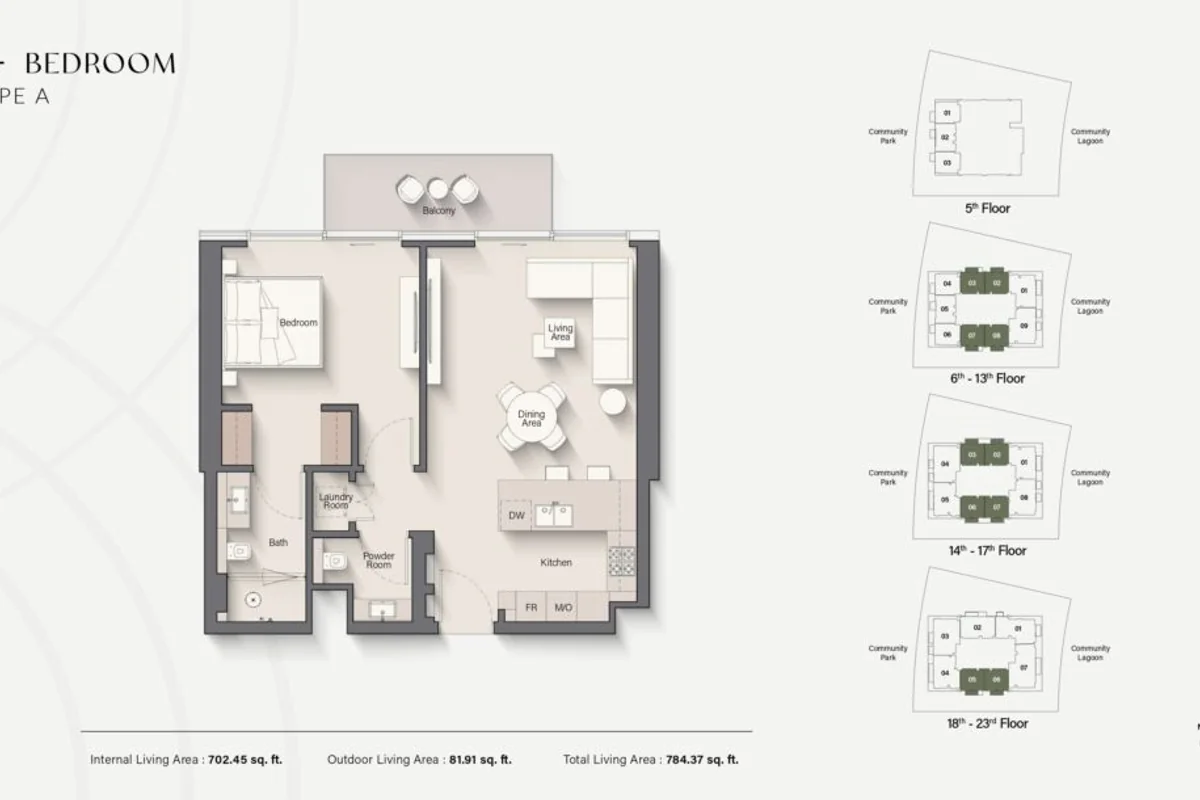
The availability of units means that buyers and investors will have choices to make to identify the optimum floor plans. This is especially true as modern development allows for a multitude of different floor plans, dimensions, and orientations. It will enable buyers to select units based on lifestyle requirements. This will include considerations for viewing, as well as financial constraints. In contrast, the judicious selection of units by an investor will enable them to increase leasing and resale potential. The essential selection will involve an effective balance between space, illumination, and ease of furniture arrangement. The appropriate unit will enable an investor to save on subsequent renovation costs. The selected unit will make it easier to market and resell. In this piece, I will discuss considerations in assessing floor plans. This includes aspects to consider and linkages to leasing and resale.
Why a wider choice of units matters (unit selection, prime floor plans)
More unit options are better because you can select a layout that will work for real needs. Not every buyer wants or needs the same thing. Singles may prefer efficient, compact one-bedroom layouts, families need much larger living and storage space, whereas investors look to the prime floor plans that rent more quickly and cost less to operate. A wide choice also gives you options for orientation and view, which affect light and apparent space. Timing can also matter, as developers often reserve the best plans for the early buyers. Check the plan depth (how far rooms are from windows), entry flow (does the entrance open into a hall or living area?), and room proportions. Generally speaking, units with open, uncomplicated flow rent and sell more quickly and easily. In one word, more choice makes it easier to find a unit that will offer comfort, low running costs, and market appeal.
How to evaluate floor plans (layout efficiency, usable space)
Begin by analyzing the useful area, not the gross area. A layout that has many circulation paths or corners can be inefficient and consume space. Examine the layout of the rooms and choose one that is not an irregular rectangle. Evaluate the position of the kitchens in relation to the living and dining areas. A unit layout can make the spaces appear bigger. Assess storage spaces and balcony area. Observe the position of utility spaces and ducts. These influence the position of furniture. Measure using a tape measure the show unit beds and sofas. Evaluate light and ventilation. Both aspects make spaces appear larger and provide additional advantages of lower utility bills. Examine structural columns within the spaces. They can also restrict furniture placement. Compare the layouts side by side. Evaluate their efficiency and select one providing larger practical spaces.
Choosing prime floor plans for investment (resale value, rental demand)
The best floor plans for investors are those that are most desired by many people to live in. Such floor plans basically involve a good mix of bedroom size, living area, and functional balconies. One and two-bedroom units can always command strong interest, and larger units can accommodate families and fetch higher rents, depending on the locale. None of these floor plans involves odd designs such as a long, narrow kitchen, a small bathroom, and other oddities that nobody wants. Do some research regarding the preferences of the tenants in that particular region, whether they want studios near schools for easier accessibility, or whether they want a home office. Another factor is analyzing comparable floors that rent quickly and for how much. Mid-floor floors with a view and easy accessibility via elevators can readily be rented and changed ownership.
Orientation, view, and floor level (balcony, corner units, views)
Being ground level or having an orientation can be an attractiveness factor. South or west-facing units can receive greater amounts of sunlight, while north-facing units remain cooler in hot environments. Units higher in building height can provide greater visibility and quieter surroundings, but they can be more expensive and harder to sell when elevator traffic is heavy. Units that are corner units can provide greater amounts of windows and natural convection. The actual balcony space and privacy can be an aspect to consider. It will be in greater demand when it has no viewpoint obstructions, such as proposed high-rise buildings nearby. Units with high visibility to busy streets need to be avoided for those who feel homes should be quiet. For rentals, units that are center to high and have favorable viewpoints and sunlight can be in greatest demand.
Unit mix and size: matching demand (unit mix, bed count, best floor plans)
Be sure to check the unit mix before making a decision. Properties with several small units can be attractive to investment buyers seeking to cater to the renting demographic, but projects with mixed unit sizes will be attractive to families as well as long-term purchasing buyers. Consider bed versus living area – two small bedrooms are less functional than combining one bedroom with an adaptable study area. Studios can be extremely liquid in the collegiate or short-term lease arena, but also receive higher turnover. Determine which sizes are associated with higher occupancy rates in the marketplace. Consider how easily units can transition from a bedroom unit to a home office in the future. Flooring plans should adapt to the demographic makeup of the area in which the project will be located.
Practical tips for selecting prime units (inspection, future-proofing)
When selecting a particular unit, inspect thoroughly and think ahead. View show units at various times of day to assess light and noise levels. Take a tape measure to check the exact positioning of doors and windows. Ask the developer for details of completed units within similar blocks, and even contact the current owners, if possible. Think about future-proofing too: select floor plans that assist with home working, storage space, and hardwearing surfaces. View the amenities within the buildings and the parking that comes with each unit; such factors will influence future saleability. Finally, purchase a unit that you can easily live in or let to - that particular test will frequently correlate with the broader market and will also make future sales easier.
Conclusion
A wider choice of units allows buyers and investors to select truly prime floor plans. The right unit blends efficient layout with good orientation and a suitable size for the target market. Corner units, mid-floor layouts, and units with well-proportioned rooms often attract the widest demand. Always measure usable space, test show units in real life, and check local comparables to see which plans rent or sell fastest. Use unit mix and position to match your investment or personal goals. With keen inspection, research, and a focus on practical living needs, selecting a prime floor plan becomes less guesswork and more a clear, repeatable process. That choice helps protect income, reduce vacancy, and improve resale prospects.
FAQ
Q1: What is a prime floor plan?
Well-designed floor plans include an ideal mix of functional spaces, natural lighting, and flexibility for furniture arrangement. They don't create dead space in circulation paths and provide functional sizes for both the kitchen and the bathroom. Investor-friendly floor plans correlate well with market demand for spaces and project reduced vacancy.
Q2: Corner Unit vs. High Floor Unit – Which one to choose?
Corner units may allow more light and airflow, but higher floors deliver improved views along with reduced street noise. Your decision depends on cost, view considerations, and the importance of quieter, brighter spaces within your market to your renters.
Q3: How do I test a floor plan before buying it?
Visit a show unit; measure room dimensions; simulate furniture placement. Check window positions, door swings, and storage. Go at different times to judge light and noise. Ask for the exact plan drawings and sizes of balconies.
Q4: How important is unit mix in a development?
Very. Unit mix dictates resident profile and resale market. A unit mix of studios, one- and two-bedrooms would normally widen the demand. Single-size developments tend to lessen buyer variety and, ultimately, liquidity.
Q5: Can small layout differences change resale value?
Yeah. All the other small things in design, such as room shape, depth of balconies, and location of kitchens, impact the livability of apartments. Better layouts will always rent and sell more easily, which is why they command a price p
Keep reading
- Customizing your off-plan home
- How to buy off-plan property in Dubai
- Benefits of buying a brand-new home
- Browse live off-plan projects
Or explore every current launch, floor plan and payment plan on our Dubai off-plan projects page, or browse by area and developer.