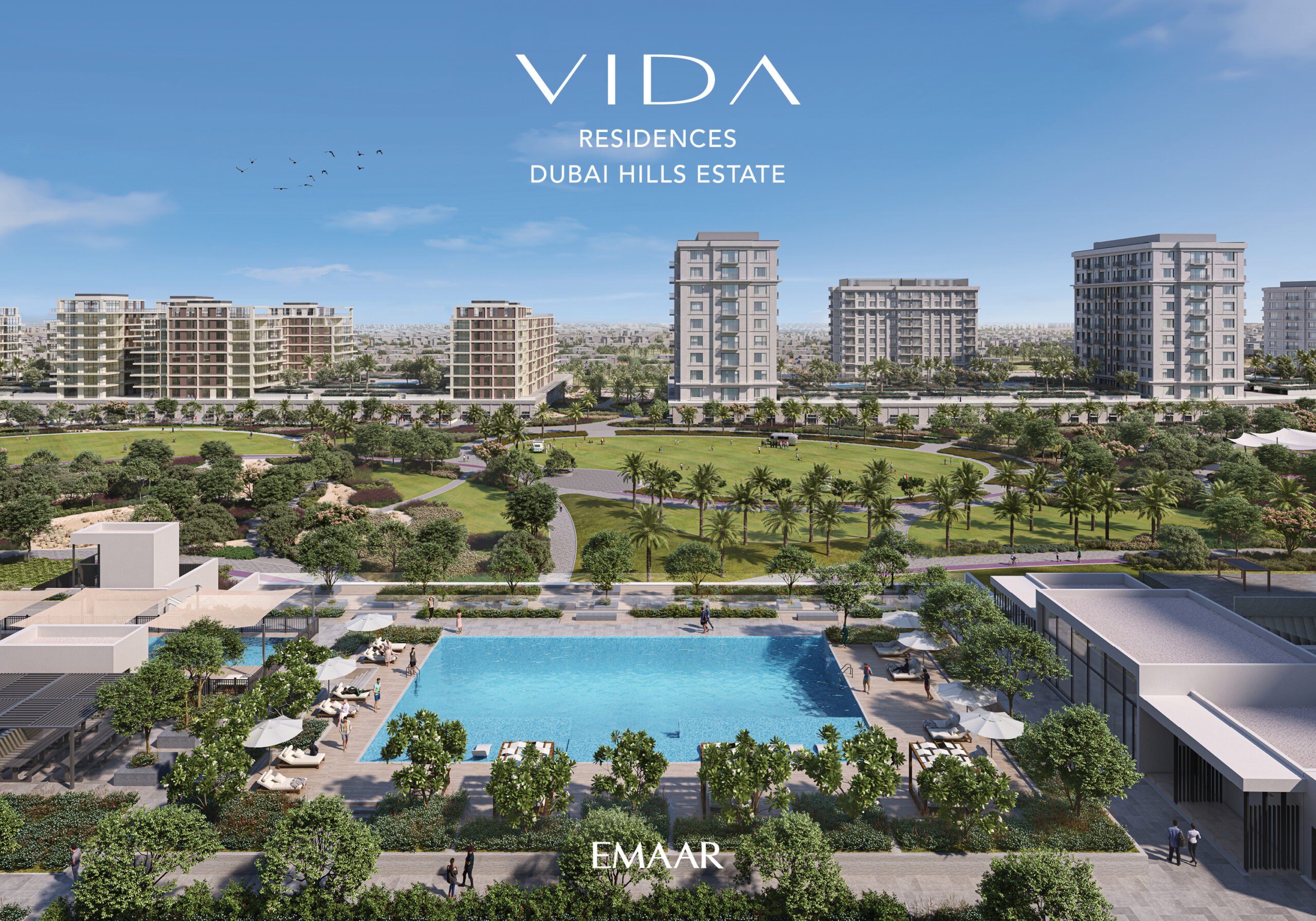
Branded residences are Dubai's fastest-growing luxury category: homes carrying the name of a global hotel operator, fashion house or design studio, with the service standards to match. When you buy one off plan you are not just buying square footage. You are buying a managed lifestyle, a recognised name on the door and — the part investors care about — a rental and resale premium that unbranded buildings struggle to match.
That premium is real. It is also a cost, and it is contractual, which means it can change. This guide explains how branded residences actually work, what the premium buys, what it costs on an ongoing basis, and the specific conditions under which the case falls apart. Live stock across the market is on our off plan Dubai projects hub.
What is a branded residence
A branded residence is a home developed in partnership with an established brand — typically a luxury hotel operator, a fashion label or a well-known designer. The brand lends its name, its design language and often its service infrastructure: concierge, housekeeping, valet, spa access, and the operational polish guests expect from a five-star hotel.
The mechanism underneath is a licensing and management arrangement between the developer and the brand. The brand does not usually own the building. It contracts to lend its name and, in the fuller versions, to run the services — for a fee, for a defined term, subject to standards. That contract is the asset you are paying a premium for, and it is worth understanding that you are buying exposure to an agreement, not to a fact about the concrete.
Buying off plan means securing a unit before completion on a payment plan and taking handover once the tower is delivered. For the underlying mechanics of any off-plan purchase, start with our guide to buying property in Dubai.
The two flavours
Hotel-branded residences
These pair a home with a hospitality operator, giving owners hotel-grade services and often access to an adjacent hotel's facilities. The draw is turnkey living and a service standard that supports premium rents, particularly in the short-stay market where guests are paying for a brand experience they already trust.
The operational depth is the differentiator. A hotel operator brings booking systems, housekeeping rotas, staffing and standards that a residential management company does not have. That is why hotel-branded stock tends to command the strongest short-let performance — and why its service charges are the highest in the market.
Fashion and design-branded residences
Here a fashion house or designer shapes the interiors, finishes and common areas, creating an aesthetic that cannot be bought elsewhere. The exclusivity and design pedigree drive desirability and, with it, value. The service layer is usually lighter than the hotel model — you are buying the design and the name more than an operating platform. Price the two differently, because they are different products wearing similar language.
Why investors pay the premium
Branded residences sell at a premium over comparable unbranded homes, and that premium is the entire proposition. Here is what it buys.
- Rental edge. Branded units command higher rents and tend to hold stronger occupancy, because tenants and short-stay guests will pay for a recognised name and reliable service.
- Resale strength. The brand is a global trust signal. It widens the buyer pool at exit, particularly among overseas purchasers who recognise the name instantly and cannot assess a local developer's reputation from abroad.
- Hands-off ownership. Professional management lets an overseas owner run the unit with minimal involvement — genuinely valuable if you are not in the country.
- Quality assurance. Brands protect their reputation, so build quality, finishes and upkeep are held to a standard the brand enforces, not just one the developer promises.
Where the premium fails
The premium works when the rent premium and the resale premium together exceed the price premium plus the running-cost premium over your hold period. That is the whole test, and it is arithmetic rather than aspiration. It fails in three recognisable ways.
First, if you overpay at launch. A brand does not make a price correct. In a market with a lot of branded launches arriving at once, the scarcity that justified the premium thins out, and the premium you paid was priced against a scarcity that no longer exists at handover. Second, if the service charge eats the rent premium. Branded, serviced buildings carry the highest running costs in Dubai, and on some units the extra rent barely covers the extra charge — leaving you with a more expensive asset and the same net income. Third, if the brand leaves. Read our service charges explainer before you model any of this, because the charge is the variable that decides the outcome.
The brand agreement is the thing to read
This is the single most important due-diligence item and the one most buyers skip because it is dull. The brand's involvement is contractual and finite. What you need to establish, in writing:
- Term. How long is the brand contracted to the building, and when does the agreement come up for renewal?
- Exit and replacement. What happens if the brand walks, or if the agreement is not renewed? Does the building get rebranded, or does it become an unbranded tower carrying branded service charges?
- Standards and enforcement. What is the brand actually obliged to do, and who pays if standards slip?
- Scope. Is the brand operating the building, or only licensing its name to the design? These are very different products at similar prices.
A branded residence whose brand agreement expires halfway through your intended hold is a different asset from the one in the brochure. Ask for the term. If nobody will tell you, that is your answer.
What else to check before you buy
The management model
Clarify who runs the rental programme, how the income is split, what the fee structure is, and how much flexibility you keep as an owner. Some programmes pool income across units; some let you opt out; some restrict how many nights you can occupy your own home. None of that is unreasonable, but all of it changes the return, and it is all decided before you sign, not after.
The developer behind the brand
The brand does not build the tower. A strong developer behind the partnership is your best assurance of delivery and lasting quality, and it is the developer — not the brand — whose escrow account holds your instalments. DAMAC pioneered fashion-branded towers in Dubai, and Binghatti has pushed brand-partnered towers in prime locations. Judge the delivery record, not the render.
The unit and the location
A brand does not fix a bad floor plan or a bad address. Branded stock concentrates in prime districts — Business Bay, Downtown, Dubai Marina, Palm Jumeirah — precisely because the premium needs a location that supports it. Benchmark several launches side by side on live off-plan projects before deciding which premium is worth paying.
The short-stay and serviced-living edge
Branded residences suit the short-stay and serviced-living market better than any other stock, and this is where the rental advantage is most visible. Guests who would otherwise book a five-star hotel are drawn to a residence carrying the same brand, often at an attractive nightly rate for more space and privacy. With professional management already in place, an owner plugs into an operation that handles bookings, cleaning, guest services and upkeep.
The result is a property that can pivot between long lets and premium short stays depending on the season, smoothing income across the year. Two honest caveats. Short-let income is more cyclical than long-let income — it tracks tourism and events, and it falls faster in a downturn. And the management fee that makes it passive is a real deduction; model the net, not the nightly rate. Our ROI guide sets out how to run those numbers properly.
Payment plans, protection and returns
Branded residences are sold off plan like any other unit: a booking deposit, milestone instalments and a handover tranche. Your money is safeguarded in a RERA-supervised escrow account, released only against verified construction progress, and your interest is recorded on the Oqood interim registration system until the title deed issues. Our payment plans hub covers the common structures and our escrow explainer covers what the protection does and does not reach.
On returns, Dubai's tax framework applies in full: no income tax on rent, no capital gains tax, no annual property tax, and one one-off 4% DLD fee at purchase — detailed in our tax-free property investment guide. Combined with the branded rental premium, that is a strong structural position. And because most branded residences exceed AED 2 million, they double as a route to the renewable 10-year Golden Visa for the buyer and family.
The branded story is compelling. It should still pencil out. Run the premium against the rent, net of the service charge, over the term of the brand agreement — and if it does not clear, the name on the door will not close the gap.
Frequently Asked Questions
Do branded residences really earn higher rents? Generally yes. A recognised name plus hotel-grade service supports higher rents and stronger occupancy, especially in the short-stay market where guests are paying for a brand experience. The question is whether the rent premium exceeds the price premium and the higher service charge over your hold — that is the calculation that decides the investment, not the brand itself.
Are branded residences worth the price premium? It depends on the numbers, not the name. The premium is worth paying when the combined rent and resale advantage outweighs the higher purchase price and the higher running costs across your hold period. It fails when you overpay at launch, when service charges absorb the rent premium, or when the brand agreement expires before you sell.
Can foreigners buy branded residences in Dubai? Yes. Branded residences sit in designated freehold areas, so foreign buyers can purchase without UAE residency and generally complete the process remotely. The off-plan protections are the same as any other purchase: escrow-held instalments and Oqood interim registration until the title deed issues.
What happens if the brand leaves the building? The brand's involvement is contractual and finite. If the agreement ends and is not renewed, the building may be rebranded or may continue unbranded — potentially while still carrying the cost base built for branded service. Establish the term of the brand agreement and the exit provisions before you buy, because they materially affect the value you are paying for.
Why are service charges higher in branded buildings? Because the service is the product. Concierge, housekeeping, valet, spa and hotel-grade upkeep all sit in the service charge, and they are staffed to a standard the brand enforces. Confirm the structure for the specific building and factor it into your net yield rather than the gross figure in the brochure.
Do branded residences qualify for the Golden Visa? Property valued at AED 2 million or more qualifies the buyer and family for the renewable 10-year Golden Visa, and most branded residences exceed that threshold comfortably. Qualification is based on the property value, not on how much of a payment plan you have paid to date.