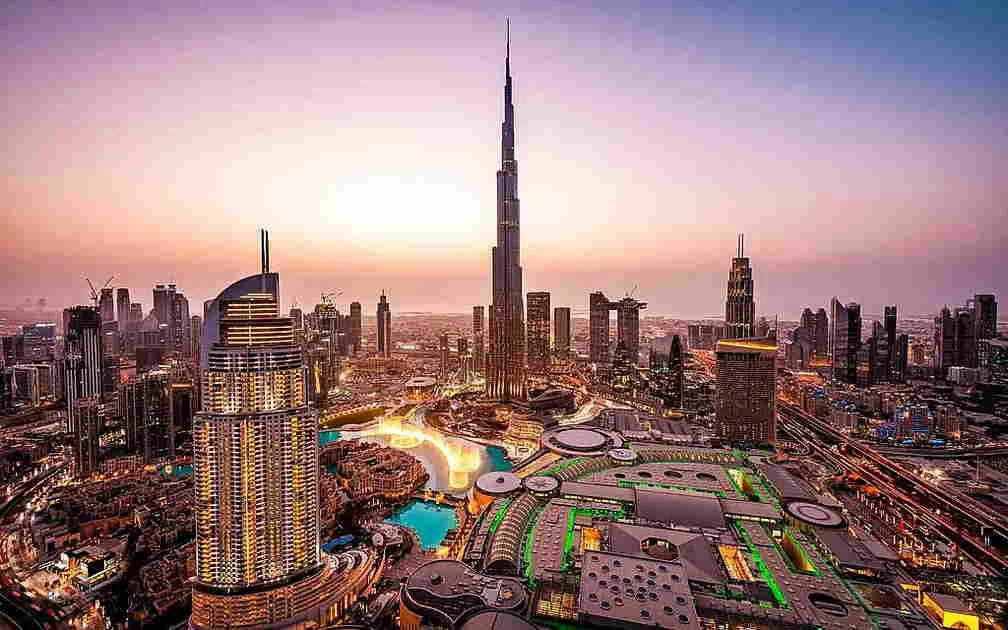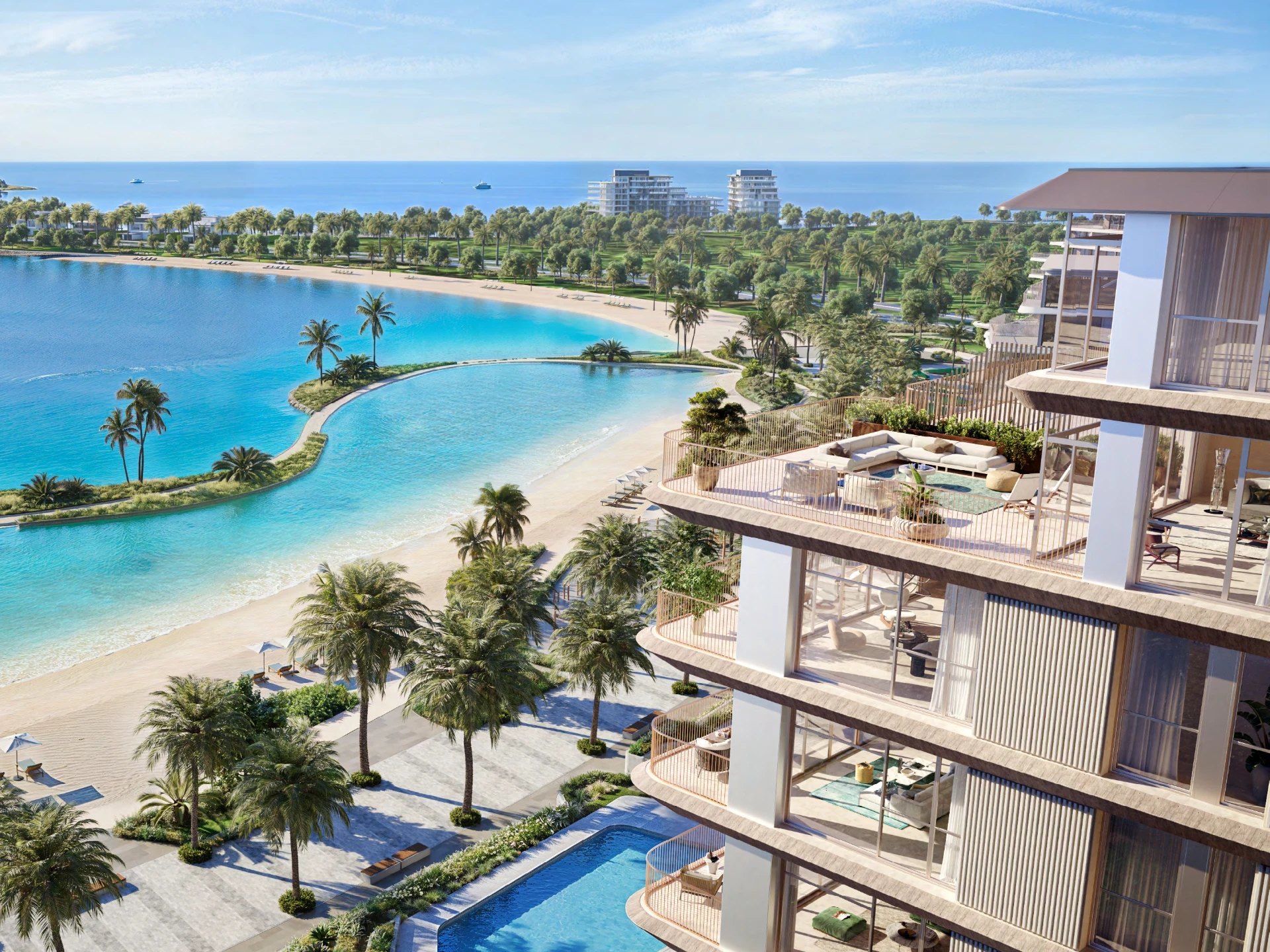
Dubai Islands is a master-planned archipelago of five islands developed by Nakheel, sitting just off the historic Deira shoreline. Buying off plan here is the emerging-area trade in its purest form: you are entering a district before its beaches, marinas, retail and road links are finished, on the thesis that value accrues as those things arrive. That thesis has worked in Dubai before. It has also punished buyers who mistimed it or misread what they were buying.
This guide is about the mechanism rather than the marketing. What actually drives value in a district under construction, what the payment plan is doing for you while you wait, where the risk genuinely sits, and who this suits. If you want to see live stock across the city alongside the reading, you can browse off plan Dubai projects by community and payment structure.
What Dubai Islands actually is
The masterplan calls for five islands off the Deira coast, carrying kilometres of beaches, marinas, parks, resorts and a mix of waterfront residential districts. It is developed by Nakheel, the master-developer behind Palm Jumeirah, which is the relevant comparison not because the two are the same product but because it tells you what kind of entity is executing the reclamation and the infrastructure. It is a designated freehold development, open to foreign ownership and to remote purchase.
The important word is "phase". The district is mid-build. Today's pricing reflects an area that does not yet have the amenity, connectivity or resident density it is planned to have. That gap between what exists and what is planned is the entire investment case, and it is also the entire risk.
Why the location is unusual
Most of Dubai's emerging districts are inland, on the southern edge of the city, far from the historic centre. Dubai Islands is not. It sits adjacent to Deira, close to Dubai International Airport and to the old city core, which means the surrounding infrastructure is decades old rather than absent. That is a genuine structural difference from a greenfield masterplan in the desert, and it shortens the period during which the area feels remote. New bridges and road links are being built to integrate the archipelago with the mainland.
Why investors buy here
This is a capital-appreciation story first and an income story second, which is the reverse emphasis of a mature yield district. Four things carry the argument.
- Early-entry pricing. Buying into an emerging masterplan typically means a lower entry point than an established waterfront, because you are accepting the wait.
- Master-developer execution. Nakheel has a record of turning ambitious reclamation projects into delivered communities, which is a different risk profile from a first-time developer promising the same.
- Waterfront scarcity. Beachfront land is finite. New beachfront supply in Dubai is rare, and that constraint does not soften over time.
- Tax structure. No capital gains tax on resale, no income tax on rent, and a one-off 4% DLD fee at purchase. On a play whose return is weighted toward appreciation, the absence of a capital gains charge is not a footnote — it is a large part of the arithmetic.
Our guide to Nakheel off-plan properties covers the developer's history and delivery record in detail, and the wider best areas to buy off-plan comparison places Dubai Islands against the alternatives.
What is being built and who is buying it
The archipelago spans beachfront apartments, waterfront townhouses and villas, and premium and branded residences across its districts. That is a wider format mix than a single-typology community, and it matters, because the formats behave differently. Apartments carry the deepest resale pool. Villas and townhouses on the waterfront carry the scarcity premium but a thinner buyer set. Branded residences sit at the top and trade on the brand as much as on the address.
The typical buyer profile
The buyer here is growth-oriented with a multi-year horizon, comfortable holding through a period when the community is visibly unfinished. Lifestyle purchasers also buy early to secure beachfront at emerging-area pricing, accepting that they will live in a construction zone for a while. This is not a first-day-cash-flow buyer. If your plan requires the rent to cover the instalments from month one, this district is the wrong instrument for it.
Why the payment plan is central here
In a mature district the payment plan is a convenience. In an emerging one it is the strategy. Because the community is mid-build, the plan lets you phase capital into the asset over exactly the period during which the district is maturing, which means your money is not sitting dead while you wait for the beaches to open.
The mechanism is straightforward and worth being precise about. You commit to the full price today but deploy it in instalments tied to construction milestones. If the district re-rates during that window, your gain is measured against the capital you have actually deployed rather than the headline price. That is leverage, and it is the reason emerging-area off-plan returns can look outsized on a percentage basis. It is also why they cut both ways: if the district does not re-rate on your timetable, the same leverage works against your deployed equity. Structures that extend instalments past the keys are covered in our guide to post-handover payment plans.
Rental demand and what yield looks like during build-out
Be honest about the sequence. Rental demand follows infrastructure, not marketing. Early phases in a district under construction typically let more slowly and at weaker rents than a fully mature community, because a tenant choosing between your unit and an established address is weighing a beach that does not open yet against retail and schools that already exist. As beaches, retail and connectivity complete, that calculus flips and demand strengthens.
The practical implication is that yields here should be expected to normalise toward the citywide 6-8% range as the community fills in, rather than to arrive at that level on handover day. An investor who models mature-district rents against an emerging-district handover date has built an error into their spreadsheet that no amount of conviction will fix. Model the lease-up honestly, and read our ROI calculation guide for how to structure that maths on net rather than gross.
How to play an emerging masterplan
Emerging-area investing is a discipline rather than a gamble, provided you approach it methodically. Four rules do most of the work.
- Buy early phases, not late ones. The appreciation accrues to those who enter before the masterplan is visibly complete. Once the beaches are open and the retail is trading, you are paying for what has already happened.
- Prioritise position within the masterplan. Not all plots in a district are the same asset. Beachfront and marina-facing positions hold value best as the area matures, because their scarcity is permanent while an inland position's advantage is not.
- Use the plan to phase capital. Spreading instalments keeps your money working elsewhere during the build, which is the whole point of the structure.
- Underwrite a multi-year hold. The thesis is value accretion as infrastructure completes. That is measured in years. A plan that needs an exit in eighteen months is not this plan.
Where the risk actually sits
Emerging areas carry more timing and delivery risk than mature ones, and the regulatory framework contains some of it but not all of it. Your instalments sit in a RERA-regulated escrow account and are released to the developer only against verified construction progress, so your capital is tied to real milestones rather than to promises. Interim ownership is recorded via Oqood before you hold title. Buying from an established master-developer reduces the probability of a stalled project materially.
What none of that protects is the timeline of the district itself. Infrastructure schedules slip. A community can complete its residential towers ahead of its retail, its schools and its transport links, leaving early residents in a finished building in an unfinished neighbourhood for a period. That is the specific risk of this trade, it is not exotic, and it is survivable if you have underwritten a multi-year hold and kept an instalment reserve. It is not survivable if you needed the rent immediately. The registration mechanics are set out in our Oqood registration guide.
Connectivity and the lifestyle thesis
The district's proximity to Deira, to the airport and to the city centre is its structural advantage over inland emerging areas, and the new bridges and road links are the mechanism that converts proximity on a map into proximity in practice. The lifestyle vision is beach-led: open shorelines, marinas, resorts, parks and waterfront promenades. If it lands as planned, the combination of resort living and genuine city access is unusual for Dubai, where the resort districts tend to be far from the centre and the central districts have no beach.
That is the bet. It is a reasonable bet with a credible executor, and it is still a bet on a schedule you do not control. For comparison with the finished version of the same idea, our Palm Jumeirah area pages show what a Nakheel waterfront looks like once it has matured, and Dubai Creek Harbour shows a waterfront district partway through the same journey.
Who Dubai Islands suits
- Capital-growth investors with a multi-year horizon and genuine appetite for emerging-area timing risk.
- Early-mover buyers who want beachfront exposure at pre-maturity pricing and can wait for the maturity.
- Lifestyle purchasers securing a future home who are relaxed about living beside construction in the interim.
- Buyers with an instalment reserve, because the plan only works if you can hold it through a slow phase.
It does not suit an investor who needs income from handover, or one whose exit horizon is shorter than the district's build-out. That is not a criticism of the district. It is a statement about which instrument matches which objective.
Frequently Asked Questions
Is Dubai Islands a good investment? It is a capital-appreciation play rather than an income play, so it is a good investment for a buyer with a multi-year horizon and the reserves to hold through the build-out. Its case rests on Nakheel's execution record, finite waterfront land and proximity to the established city core. It is a poor fit for anyone who needs rent to cover instalments from handover.
Is buying off-plan in an emerging area riskier than a mature one? Yes, on timing. Escrow protects your capital from misuse and ties releases to certified construction progress, but nothing protects the schedule of the surrounding infrastructure. Residential towers can complete ahead of the retail, schools and transport around them, which weakens early rents.
Can foreigners buy off-plan on Dubai Islands? Yes. It is a designated freehold development, which means non-UAE nationals can own the property outright in their own name, with no local sponsor and no requirement to be resident. Purchase can be completed remotely.
What yield should I expect on Dubai Islands? Expect lease-up to be slower and rents softer during the build-out phase than in an established district, normalising toward the citywide 6-8% range as beaches, retail and connectivity complete. Modelling mature-district rents against an emerging-district handover date is the most common error here.
Which phase should I buy? Earlier phases carry the most runway, because the appreciation thesis is that value accrues as the masterplan becomes visible. Once the amenities are trading, you are paying for what has already arrived. Position within the plan matters as much as timing: waterfront-facing scarcity is permanent, inland advantage is not.