A penthouse is the only residential unit type in Dubai where supply is fixed by architecture. A tower can hold four hundred apartments and one top-floor residence. That single structural fact is the reason the segment prices the way it does, trades the way it does, and disappoints the way it does when a buyer misreads it. Everything else in the pitch follows from it.
This guide is about buying one before completion: what actually distinguishes a penthouse from a large apartment with a good view, where the trophy addresses are and why, how the money is structured and protected, and the failure modes at the top end of the market that nobody mentions in a sky-lounge viewing. If you want to see current stock while you read, you can browse off plan Dubai projects by community and developer.
What makes a penthouse a penthouse
The word has been diluted. Developers apply it to any upper-floor unit with a terrace, and the market has largely stopped correcting them, which means the label alone tells you almost nothing about what you are buying. The distinction that matters is structural, and it is visible on the floor plate.
The features that are structural
A genuine penthouse occupies the crowning floors of a tower. The characteristics that follow from that position cannot be replicated lower down: double-height volume where the roof allows it, a floor plate several times the size of the units below, private terrace space that exists because the tower steps back, dedicated or keyed lift access, and outlook in more than one direction because nothing sits above or beside you. Some carry a plunge pool. These are consequences of where the unit sits in the building, not options a developer chose to include.
The features that are marketing
Ceiling height on a standard slab, an upgraded kitchen package, a larger balcony on floor thirty-two, a "penthouse collection" spanning eight units across two floors. None of these are scarce. If the building contains several of a thing, the thing is inventory, and inventory does not carry a scarcity premium regardless of what it is called. Ask a single question at the viewing: how many units in this tower share this designation? The answer separates the asset from the label, and it is not always in the brochure.
What buying it off plan actually means
You purchase from the developer before the tower exists, pay along a structured schedule through construction, and take handover once the building completes. You are committing capital against a rendering and a delivery forecast. At entry-level that is a manageable risk. At penthouse pricing, the same risk is denominated in a number where a specification shortfall is not an annoyance but a material loss, which is why the diligence at this level has to be heavier, not lighter, than on a one-bed.
The addresses that carry the premium
Penthouse value is location-led to a degree that is extreme even by Dubai standards. Because you are buying a view and an address as much as a floor area, the same physical unit in a different district is a materially different asset.
Downtown Dubai
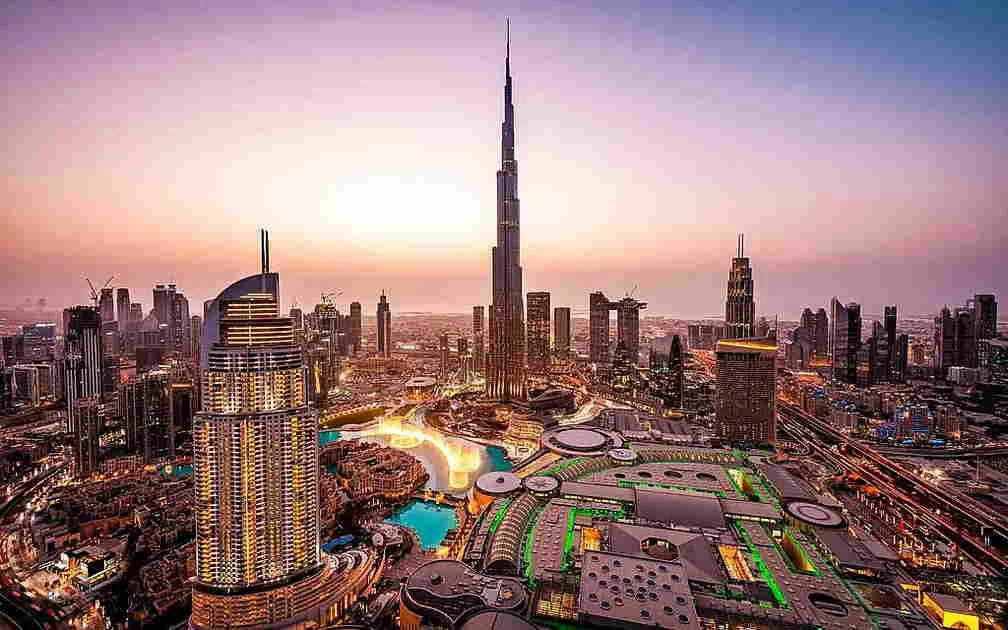
Downtown Dubai penthouses framing the Burj Khalifa and the fountains carry a global address premium that has no direct substitute. The view is the product. That has a specific implication most buyers underweight: verify the sightline against the surrounding plot map, because in a dense district the thing that destroys a view premium is the tower that gets approved next door three years after you sign.
Palm Jumeirah
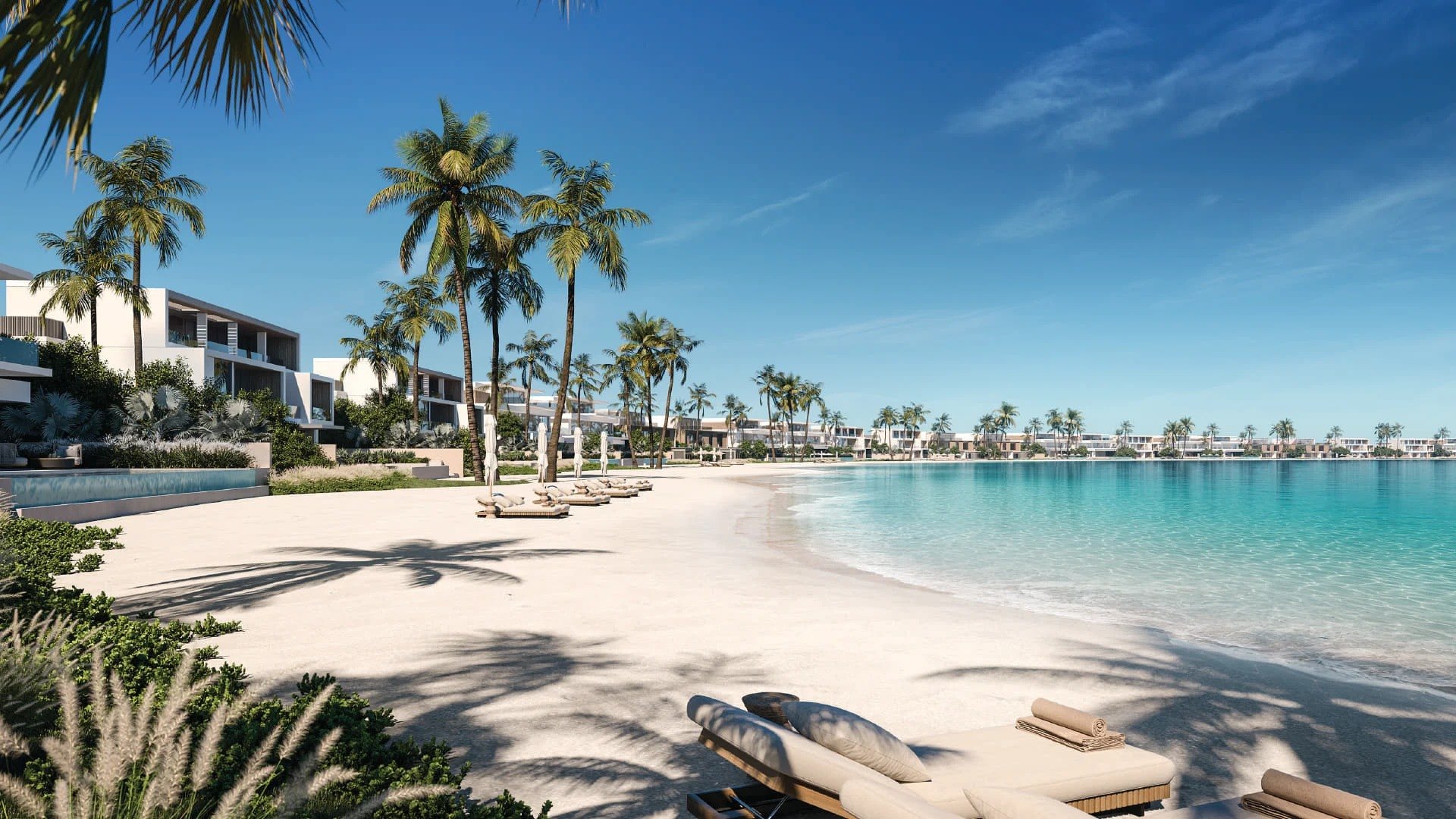
Sea-facing penthouses on the fronds of Palm Jumeirah combine privacy, beach access and skyline panoramas. The Palm's geography is finished, which is the point: the frond count is fixed, the coastline is built, and no additional Palm frontage is arriving. That is the cleanest scarcity story in the city, and it is priced accordingly.
Dubai Marina and the waterfront
High-floor penthouses over Dubai Marina and the open sea remain perennial prestige buys, with the deepest resale pool of the three because the district is dense, well-known and continuously traded. Marina is also the district where the sightline question bites hardest, since the skyline is still infilling.
These three districts differ on price trajectory, amenity and how quickly a resale finds its buyer. The rule of thumb is that the more finished the surrounding geography, the more durable the premium and the less it depends on anyone else's construction schedule.
Scarcity is the thesis, and it cuts both ways
Standard apartments can be built by the hundred. Penthouses cannot. A tower of four hundred homes might contain a single full-floor residence, and that fixed supply, set against a growing pool of global wealth relocating to Dubai, is what underpins the segment's pricing. When demand rises there is no way to manufacture more top-floor trophies, and that tends to protect value through cycles better than the mass-market floors below.
The same scarcity has a cost, and it is the one the pitch never states: illiquidity. There is no deep, continuous market for a unique asset. A one-bed in the same building has hundreds of plausible buyers and a transparent price, established by the neighbours who sold last month. Your penthouse has a handful of plausible buyers worldwide, no direct comparables, and a price that is discovered rather than quoted. That is fine if you can wait for the right buyer. It is expensive if you cannot, because in a thin market a seller in a hurry sets the price and there is nobody to argue with them. Scarcity supports value in a rising market and traps you in a falling one.
Choosing a developer at the top end
At this price point, build quality is not a footnote. A penthouse is judged on its finishes, ceiling heights, acoustic insulation and the seamlessness of its smart-home integration, and every one of those is invisible in a rendering and obvious in the finished room. Emaar Properties dominates the Downtown trophy market, Sobha Realty is prized for fastidious build quality, and DAMAC Properties leads the branded-luxury space.
The diligence that matters is not brand recognition, it is delivered evidence. Walk a penthouse the same developer handed over several years ago and look for the things that age badly: how the terrace waterproofing has held, whether the marble junctions have moved, whether the lift still runs silently, whether the smart-home system is still supported or was abandoned two firmware generations ago. A branded partnership adds a name to the lobby. It does not add tolerance to the joinery.
Payment plans, protection and the Golden Visa
Even at the ultra-prime level, off-plan penthouses sell on payment plans, typically a staged schedule across the construction period with a meaningful tranche at handover. The structure is the same as the rest of the market; only the digits change.
- Reservation deposit. Secures the unique unit and, at this level, usually the customisation window with it.
- Construction instalments. Milestone-linked and escrow-protected through the build.
- Handover payment. The final tranche on completion, sometimes with a post-handover tail.
Your capital is protected by the same mechanism as every registered project: instalments are held in a RERA-supervised escrow account and released against construction milestones certified by an engineer, with your interest logged via Oqood interim registration. Understand precisely what that protects. It governs how money reaches the developer and records your legal claim to the unit. It does not underwrite the value, the delivery date, or the finish quality.
Penthouses comfortably exceed the AED 2 million Golden Visa threshold, so the purchase doubles as a route to renewable 10-year residency for the buyer's family. At this price point the threshold is a formality rather than a hurdle, which is worth saying plainly: residency is a benefit of the purchase, never a reason for it. The mechanics are in our Golden Visa through property guide.
Who buys off-plan penthouses
The buyer profile explains the segment's behaviour better than any price chart. These are typically global high-net-worth individuals, business owners and family offices, for whom the purchase is as much about lifestyle and standing as about return.
Relocating entrepreneurs move their base to Dubai for the tax environment and connectivity and want a flagship home to match. International second-home buyers already hold trophy property in other world cities and want a Dubai address to complete the set. Prestige investors treat a scarce residence as a store of value on the reasoning that fixed supply protects capital. What all three have in common is that they are rarely forced sellers, and that is the real reason the segment holds up in soft markets: the ownership is concentrated in hands that can wait. If your own circumstances would not let you wait, you are not the marginal buyer this market is priced for, and you should think carefully about that before you commit.
Customisation and the early-buyer advantage
The most underrated benefit of buying at this level before completion is influence over the finished product. Because you commit early, developers will often work with penthouse buyers on layout adjustments, material selection, kitchen and bathroom specification and smart-home integration. The result is a residence tailored to your taste rather than a standardised box, and ready stock cannot offer it at any price.
Two cautions. First, get every agreed variation written into the specification schedule attached to the contract, with a defined cost and a defined deadline. A verbal agreement with a sales director who has left the company by the time your floor is poured is not a specification. Second, personalisation cuts against resale: heavily bespoke choices narrow an already thin buyer pool. Customise for how you will live in it, and be aware that the more it becomes yours, the fewer people it belongs to.
Returns, letting, and the tax-free position
Prime penthouses are a capital asset first and an income asset a distant second. The rental yield percentage at the top of the market is the weakest in the city, for a simple structural reason: rents do not scale with price at the extremes. The pool of tenants who will pay a genuine penthouse rent is much smaller than the pool who will buy one, so void periods are longer and pricing power is thinner. If income is the objective, this segment is the wrong instrument.
What the segment does offer is a favourable holding position, since Dubai levies no annual property tax and no tax on rental income or capital gains. Set against that, budget honestly for service charges, which on a large floor plate with private amenities are substantial and recur every year whether the unit is occupied or empty. When you are ready to look at specific inventory, our new launches listing shows which towers are currently releasing.
Frequently Asked Questions
Are off-plan penthouses a safe investment in Dubai? The transaction is well protected: escrow controls the release of your instalments and Oqood records your interest in the unit. The asset is another matter. Penthouses are illiquid by nature, priced without close comparables, and heavily exposed to view and specification. They suit a buyer with a long horizon who will not be forced to sell on a timetable. They punish a buyer who needs an exit in a hurry.
Why are penthouses considered scarce? Because architecture fixes the supply. A tower can only crown itself once, so a building of several hundred homes yields one or two true top-floor residences. Unlike standard stock, no amount of demand causes more to be built within an existing tower. Scarcity is why the premium exists and also why the resale market is thin.
Can a non-resident buy an off-plan penthouse remotely? Yes. Non-residents can buy in Dubai's freehold areas without being in the country, and reservation, contract signing and instalments can generally be handled remotely, often through a power of attorney. What should not be handled remotely is the inspection. At this price, have someone competent physically verify the sightline, the floor plate and the finish quality before handover.
Does a penthouse purchase qualify for the Golden Visa? Penthouses comfortably exceed the AED 2 million property threshold for the 10-year renewable visa, so qualification is not usually in question. Treat the residency as a benefit of a purchase you would make anyway, not as the justification. Buying a poorly chosen trophy asset to obtain a visa is an expensive way to solve an immigration problem.
What is the biggest mistake buyers make at this level? Paying a view premium without verifying the view is protected. In a dense district, the plot next door may be undeveloped when you sign and thirty storeys tall when you take handover. Check the surrounding land and its approved use before you pay for a sightline, because a lost view is a permanent, unrecoverable hit to a unique asset.
How long does it take to sell a Dubai penthouse? Longer than a standard apartment, and the difference is structural rather than cyclical. There is no continuous market for a unique asset, so the sale depends on finding the specific buyer who wants that specific residence. Plan for a slow, negotiated exit and price the wait into your holding assumptions from the outset.