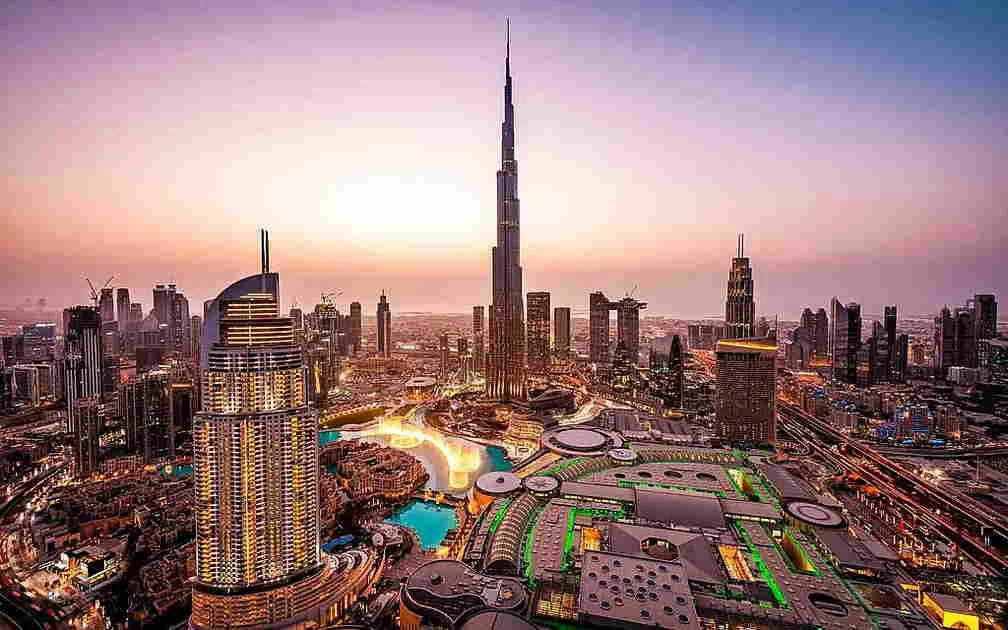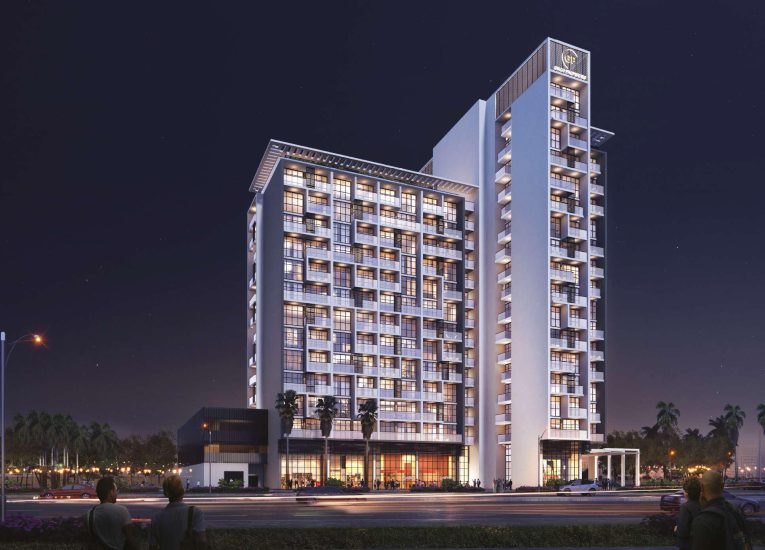
Dubai Hills Estate is Emaar's green, golf-anchored flagship between Downtown and the Marina, and it is the community that affluent families and quality-focused investors gravitate to. Manicured boulevards, an 18-hole championship golf course and a vast central park give it a calm, low-density residential character that pure-investment towers cannot replicate.
That character is also the investment thesis, and it needs stating clearly before anything else: Dubai Hills is not a yield play. It is a community where end-user demand sets value, which produces a different return profile with different strengths and a different failure mode. If you buy it expecting the numbers of a value district you will be disappointed, and the disappointment will be your fault rather than the community's. This guide explains what you are actually buying, and what it costs you in return. You can compare it against everything else from the off plan Dubai projects hub, or see live stock on the Dubai Hills Estate area page.
What Dubai Hills Estate is
Dubai Hills Estate is a large master-planned community within Mohammed Bin Rashid City, developed by Emaar in partnership with Meraas. It is built around an 18-hole golf course and a central park of more than 180,000 square metres, with villas, townhouses and mid-rise apartment buildings arranged along tree-lined avenues. Dubai Hills Mall, schools, clinics and a hospital sit inside the community, which makes it largely self-contained. Like all designated freehold areas it is open to foreign ownership, and its position minutes from Downtown via Al Khail Road gives it genuine central convenience without high-rise density.
Why the masterplan coherence matters financially
What separates Dubai Hills from older communities is that it was designed as a complete environment from day one. The golf course, park, mall, schools and road network were planned together rather than added piecemeal as the population arrived. That is not an aesthetic point. Communities that grow by accretion end up with retail in the wrong place, schools that arrived late, and roads that were sized for a smaller population, and every one of those shows up in rent and resale eventually.
Coherence is a large part of why affluent families commit here, and why values have proved durable as the community matured. When a single developer controls the whole masterplan, the environment that results is one that end-users actively seek out and will pay more to live in. That demand underpins rents and resale prices, and it tends to hold up better than commodity stock when the market softens.
Why investors and end-users choose Dubai Hills
Dubai Hills is a quality-first community. The appeal is not the highest gross yield; it is owning a resilient asset that affluent tenants and buyers consistently want.
- Emaar pedigree: a developer brand associated with delivery, build quality and master-planning that holds value. See the Emaar developer profile for the wider portfolio.
- Affluent end-user demand from families and professionals who want greenery, golf and good schools, and who rent or buy at the premium end.
- Capital quality. Low-density, well-amenitied communities have historically been resilient stores of value.
- Tax-free ownership, with no income tax, capital gains tax or annual property tax, only the one-off 4% DLD fee.
The Emaar master communities guide puts Dubai Hills in context against Creek Harbour, Emaar South and the rest of the portfolio, which is worth doing before you commit, because those communities are solving different problems.
The unit mix, and who buys what
Dubai Hills offers an unusually broad spread for a single community: apartments in mid-rise buildings near the mall and park, townhouses for upgrading families, and signature villas overlooking the golf course or parkland. The spread matters because your entry point, your yield and your buyer pool at exit all change materially depending on which you choose.
Who buys in Dubai Hills
The core buyer is an affluent end-user: a family upgrading out of an apartment district, or a relocating executive who wants space, greenery and schools. Investors here are typically capital-preservation minded, valuing tenant quality and asset resilience over peak yield. That composition is the single most important fact about the community, because a market dominated by end-users behaves differently from one dominated by investors. End-users do not sell when the yield dips. They sell when their life changes. That makes supply into the resale market thinner and steadier, which supports price.
Apartments versus villas
Apartments deliver the most accessible entry and the firmer rental yields, because the price denominator is smaller and the tenant pool underneath them is deeper. Villas and townhouses target capital growth and premium family tenants, with a thinner buyer pool and a slower exit as the trade-off. Neither is better. They are different instruments, and the honest question is which one your objective actually needs.
If you want income and liquidity, buy the apartment. If you want a long-hold asset in a community that will still be desirable in fifteen years, and you can accept a slower exit and a lower percentage return, the villa is the point of the exercise. Buying a villa and then complaining about the yield is a category error.
Yield character: what the premium costs
As a premium community, gross yields in Dubai Hills generally sit toward the lower end of the citywide 6-8% band, especially for villas, with apartments firmer. That is arithmetic before it is a market opinion: high-quality, low-density stock costs more per unit of rent than commodity stock does.
The compensation is the quality of the income rather than the size of it. Tenants are affluent, leases are stable, tenant turnover is lower, and the community's standing supports both rent and resale resilience. This is an asset held for compounding value and dependable, high-grade tenancy, not for headline yield. It is also worth factoring service charges into the calculation properly, because the amenity load that makes the community attractive is not free and it comes out of your net return; our service charges guide covers how to assess a specific building.
The honest risk
End-user-led communities are resilient, but resilience is not immunity, and there are two things to be clear-eyed about. First, your capital is working less hard per dirham than it would in a value district, which is a real opportunity cost over a long hold and not merely a stylistic preference. Second, the exit on a villa is slower. When you want out, the buyer pool for a large family home is a fraction of the pool for a one-bedroom apartment, which means you sell on the market's timetable rather than yours. If you might need the money at short notice, that is a genuine problem and no amount of golf course frontage fixes it.
The master-community premium and capital growth
Dubai Hills illustrates why well-executed master communities tend to outperform on capital terms over time. The mechanism is straightforward. A coherent low-density environment attracts affluent families; affluent families are less price-sensitive and more permanent than transient tenants; that demand underpins rents and resale values; and because owners are living there rather than trading, the community does not flood with distressed listings when sentiment turns. Each part reinforces the next.
The lesson for an investor is that buying location and developer pedigree is itself a risk-management strategy, not a luxury. You are paying a premium to remove specific downside scenarios rather than to buy a lifestyle. Whether that is worth it depends entirely on your holding period. Over three years it is expensive. Over ten it usually is not.
Buying off-plan in Dubai Hills: the process
The purchase follows Dubai's standard protected off-plan route. You reserve the unit, sign the Sale and Purchase Agreement, pay a deposit plus the 4% DLD fee, then pay instalments into a RERA-regulated escrow account from which the developer draws only against verified construction milestones. Interim ownership is recorded via Oqood and converts to a title deed at handover, after a snagging inspection you should conduct properly rather than skip. Emaar's delivery record adds confidence to the build-out timeline, but it does not remove the need to read the SPA schedules.
Because Dubai Hills spans apartments through to large villas, your payment-plan and budget decisions should be made alongside the unit-type choice rather than after it. A villa on a construction-linked plan is a materially heavier cash-flow commitment than an apartment on the same structure, and the instalment schedule is where over-committed buyers get caught.
Connectivity and lifestyle
Dubai Hills connects to Downtown and the wider city via Al Khail Road, and a future metro link is planned to improve transit. Inside the community, the lifestyle is the product: the championship golf course, the central park with running and cycling tracks, Dubai Hills Mall, premium schools and healthcare. It is engineered for family living, which is precisely why end-user demand here is dependable, and why the tenant who moves in tends to stay.
Who Dubai Hills Estate suits
- Affluent end-users and families wanting greenery, golf and top schools inside a self-contained community.
- Capital-preservation investors prioritising asset quality and tenant grade over headline yield.
- Upgraders moving from apartment districts into townhouses or villas.
- Golden Visa buyers meeting the AED 2M threshold with a premium unit, which our Golden Visa through property guide covers in detail.
It suits you less if you are yield-led, if your holding period is short, or if you need a fast exit. Those objectives are better served elsewhere, and there is no shame in saying so.
Frequently Asked Questions
Is Dubai Hills Estate good for investment or for living? Both, but the investment case runs through the living case. Value here is set by affluent end-user demand rather than investor demand, which produces stable, high-grade tenancy and resilient resale prices at the cost of a lower gross yield than value districts deliver.
What property types are available off-plan in Dubai Hills? The spread is unusually broad for one community: apartments in mid-rise buildings near the mall and park, townhouses aimed at upgrading families, and signature villas overlooking the golf course or parkland. Apartments give the most accessible entry and firmer yields; villas target capital growth with a slower exit.
Does Dubai Hills qualify for a Golden Visa? A qualifying property purchase at the AED 2M threshold can support the renewable 10-year Golden Visa, and off-plan purchases count toward it. The visa follows from how the purchase is structured, so confirm the current requirements against your specific unit rather than assuming from the price alone.
Why are yields lower in Dubai Hills than in value communities? Because yield is rent divided by price, and low-density premium stock carries a much higher price denominator without a proportionally higher rent. What you get in exchange is lower turnover, more affluent tenants, and prices that hold up better when the wider market softens.
How long does it take to sell a villa in Dubai Hills? Longer than an apartment, and that is the main liquidity risk in the community. The buyer pool for a large family home is a fraction of the pool for a one-bedroom, so if there is a realistic chance you will need the capital at short notice, the apartment format is the safer structure.